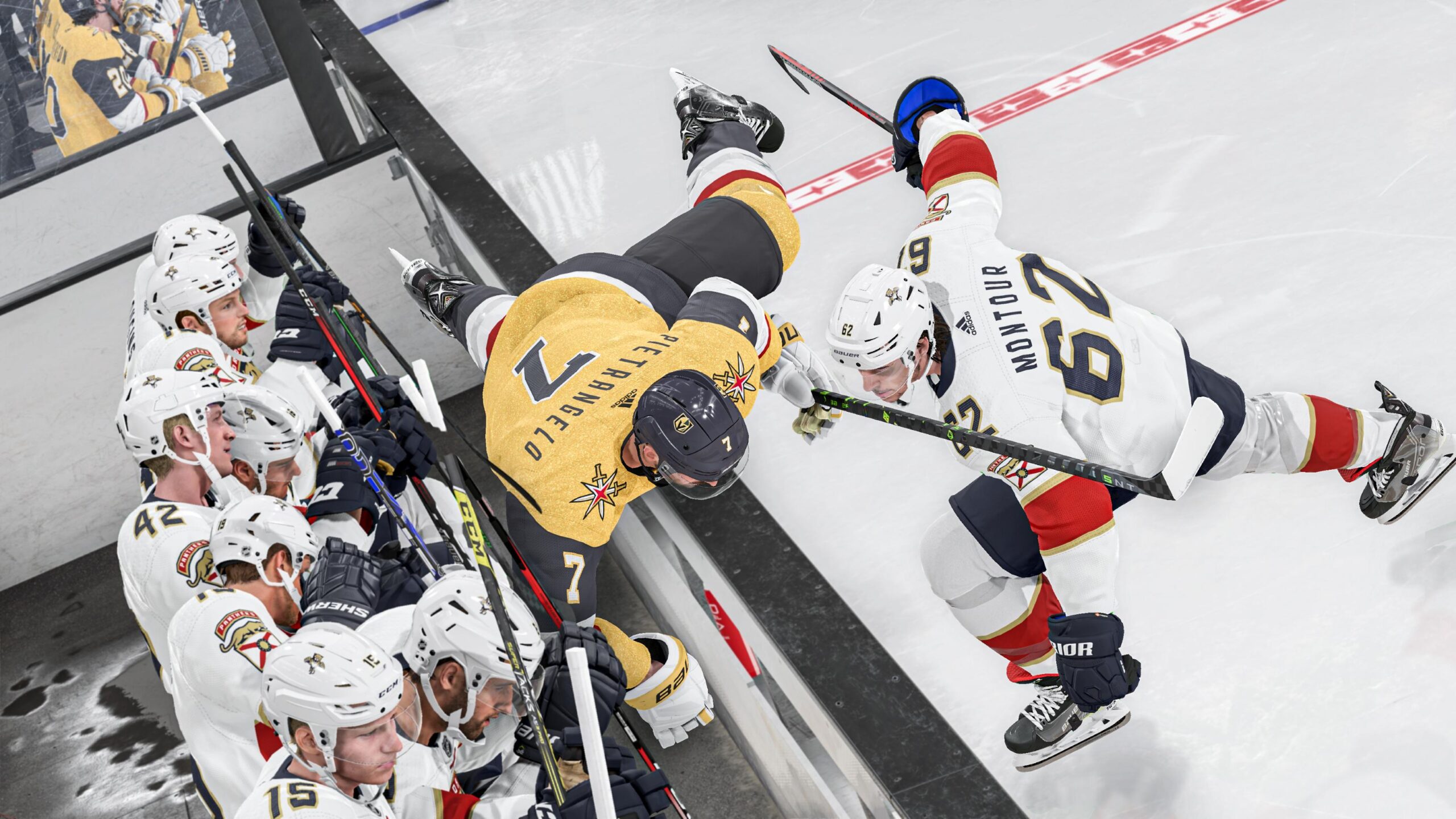
Mobile hockey games are designed around speed. Players expect quick matchmaking, responsive controls, and competitive action that fits into short gaming sessions. Every interruption between matches creates an opportunity for players to leave the game, making smooth transitions just as important as the gameplay itself.
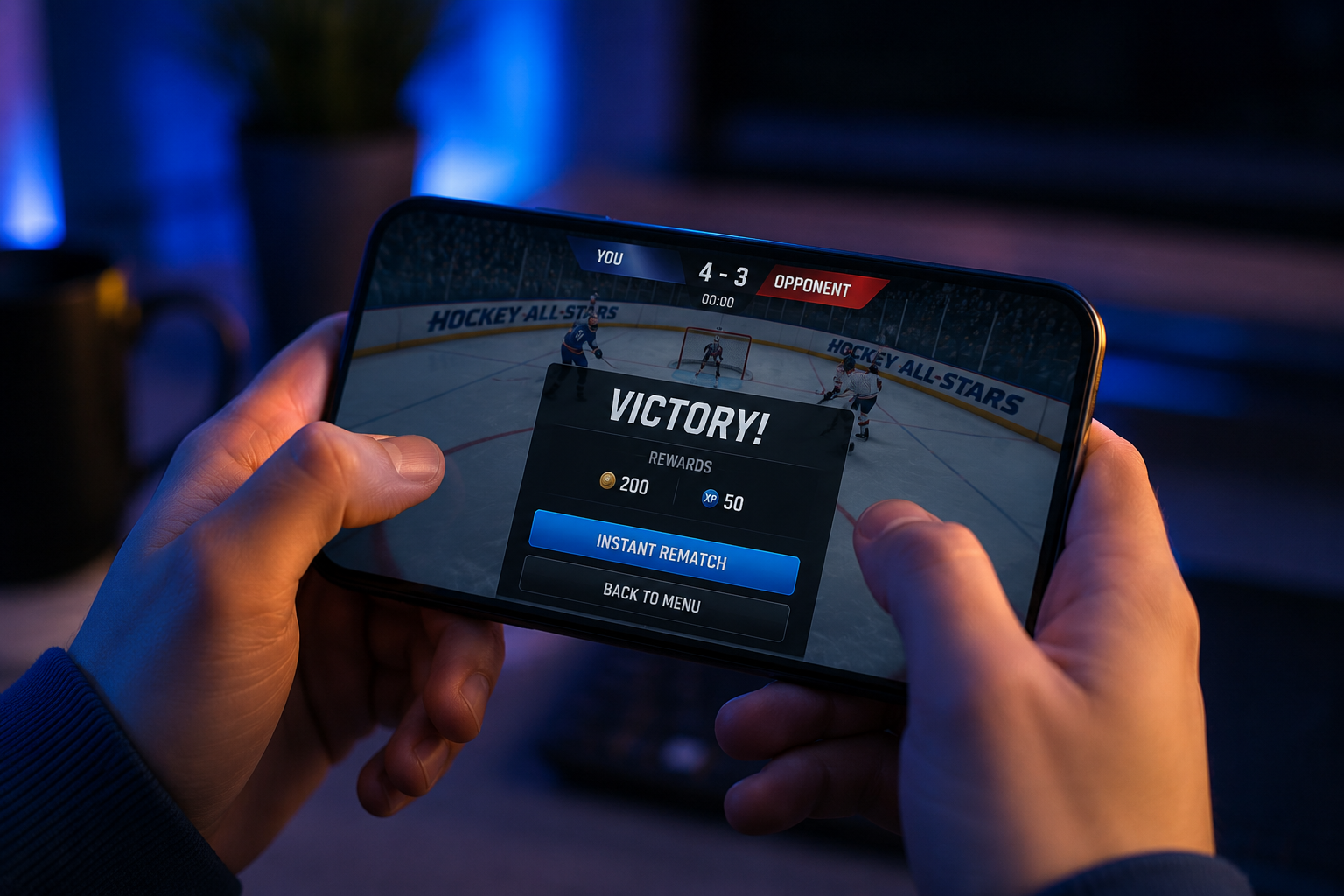
One feature that has quietly become a major part of modern sports games is the instant rematch. Instead of returning to menus after every game, players can immediately challenge the same opponent again with a single tap. This simple option removes unnecessary waiting while encouraging longer play sessions and more satisfying competition. As mobile hockey titles continue evolving, instant rematch systems are becoming an essential design choice rather than a minor convenience.
Removing Friction Between Matches
Every additional screen between games introduces friction. Traditional multiplayer games often required players to:
- Return to the main menu.
- Search for another opponent.
- Wait through matchmaking.
- Confirm settings.
- Load into another game.
While each step may only take a few seconds, together they interrupt the flow of competition. Instant rematch features eliminate most of these delays by allowing both players to continue playing immediately after the final whistle. The result feels more natural and keeps players focused on hockey instead of menus.
Maintaining Competitive Momentum
Close matches naturally create excitement. When a game ends by a single goal or after a dramatic comeback, players often want another opportunity immediately. Instant rematches support this emotional momentum. Instead of forcing players to leave the competitive environment, they can continue the rivalry while emotions and strategies remain fresh. This creates mini-series between opponents that feel similar to playoff hockey, where every match influences the next. The competitive narrative becomes stronger than isolated individual games.
Encouraging Skill Development
Repeated matches against the same opponent offer valuable learning opportunities. During a rematch, players already understand:
- Their opponent’s favorite attacks.
- Defensive positioning.
- Shooting habits.
- Passing patterns.
- Timing preferences.
This allows players to adjust their strategy rather than starting every match against an entirely unknown competitor. Over multiple rematches, players naturally experiment with new tactics, improving their overall understanding of the game. Instead of relying on luck, success increasingly depends on adaptation.
Building Friendly Rivalries
Competitive gaming becomes more memorable when players recognize familiar opponents. Instant rematches allow rivalries to develop naturally. One player may dominate the opening match before losing the second game after strategic adjustments. A third match can become the deciding contest, creating excitement that would disappear if matchmaking immediately assigned different opponents.
These small competitive stories help players remain emotionally connected to the game. Many memorable gaming experiences come not from individual victories but from ongoing rivalries built over several closely contested matches.
Supporting Short Mobile Play Sessions
Most mobile gaming sessions last only a few minutes. Players often open a game during:
- Lunch breaks.
- Public transportation.
- Waiting rooms.
- Coffee breaks.
- Short periods between daily tasks.
Instant rematches maximize gameplay within these limited sessions. Instead of spending valuable time navigating menus, users spend more time actually competing. This efficient use of time matches the expectations of today’s mobile audience.
Reducing Matchmaking Interruptions
Although matchmaking technology continues improving, searching for new opponents still requires time. Instant rematches reduce the frequency of matchmaking requests by keeping two willing players together.
This creates several advantages:
- Faster game starts.
- Reduced waiting.
- More consistent connection quality.
- Fewer abandoned queues.
- Smoother overall pacing.
Players appreciate systems that prioritize gameplay instead of repeated matchmaking screens.
Creating Fair Opportunities for Redemption
Few moments are more frustrating than losing a close match because of a small mistake. Without an instant rematch option, players may never face that opponent again. Rematches provide immediate opportunities to respond. A player who conceded a late goal can immediately attempt to correct earlier mistakes. This sense of redemption keeps players motivated instead of ending their session after a disappointing defeat. Rather than viewing losses as final, players see them as part of an ongoing competitive exchange.
Increasing Player Retention Naturally
Many retention strategies rely on external rewards such as daily bonuses or limited-time events. Instant rematches create engagement through gameplay itself.
Players continue because they genuinely want another chance to compete. This intrinsic motivation often produces longer sessions than systems based solely on rewards. When the competition remains enjoyable, players stay because they are invested in the experience rather than chasing incentives.
Improving Multiplayer Communities
Healthy multiplayer communities depend on positive interactions between players. Instant rematches encourage respectful competition by allowing opponents to settle close contests through additional games instead of ending interactions abruptly.
Over time, players begin recognizing recurring competitors. This familiarity strengthens the sense of community without requiring complex social systems. Simple gameplay-focused features can often contribute more to long-term player satisfaction than large community tools.
Balancing Competition With Accessibility
Instant rematches also benefit newer players. Experienced users often enjoy teaching through repeated matches, while beginners gain opportunities to improve against consistent opponents. Instead of constantly facing completely different skill levels, players can spend several games learning from one matchup. This creates a smoother learning experience while maintaining competitive integrity. Developers can also offer optional rematches, ensuring players remain free to seek new opponents whenever they prefer.
The Future of Instant Competitive Play
As mobile hardware and online infrastructure continue improving, instant rematch systems will likely become even more sophisticated. Future mobile hockey games may introduce features such as:
- Best-of-three series.
- Automatic score tracking across rematches.
- Rivalry statistics.
- Win streak comparisons.
- Optional tactical adjustments before the next faceoff.
- Shared post-match performance summaries.
These additions would deepen competition while preserving the speed that defines mobile gaming. The emphasis will remain on minimizing interruptions and maximizing time spent playing.
Conclusion
Instant rematch features have become an important part of modern mobile hockey games because they keep players focused on competition instead of menus. By reducing downtime, encouraging strategic adaptation, supporting friendly rivalries, and extending engaging play sessions, they create a smoother and more rewarding multiplayer experience.
As mobile sports games continue prioritizing fast, accessible gameplay, instant rematches represent a simple yet highly effective feature that benefits both players and developers. Their ability to maintain competitive momentum ensures they will remain a core element of mobile hockey design for years to come.