For years, mobile sports games relied almost entirely on developer-created content. New tournaments, seasonal events, and daily objectives were designed by studios and released according to a fixed schedule. In 2026, a growing number of mobile sports titles are testing a different approach by allowing players to create their own challenges.
This shift is helping developers keep communities active while giving players more control over how they compete. Instead of waiting for official events, users can create unique goals, challenge friends, and design competitions that match their preferred play style.
Community Content Is Becoming More Valuable
Modern mobile players spend a significant amount of time interacting with communities outside the game itself. Discord servers, social media groups, and streaming platforms have become important parts of the gaming experience.
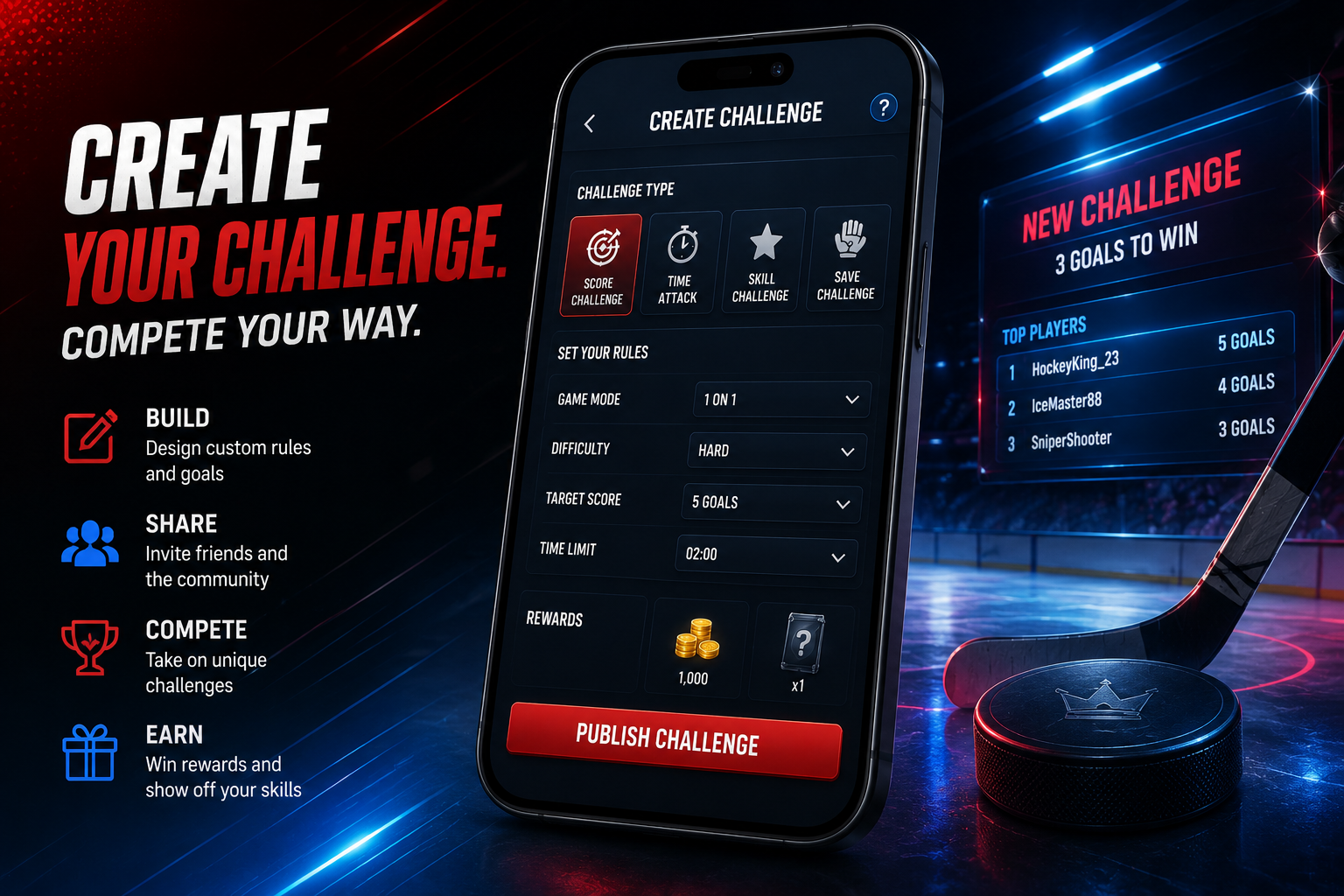
User-created challenges bring some of that community interaction directly into the game. Players can create score-based competitions, time-limited objectives, or skill-focused tasks that encourage friendly rivalry and social engagement.
More Variety Without Constant Updates
One challenge for mobile game developers is maintaining player interest between major updates. Creating new content every week requires significant resources.
User-generated challenges help solve this problem. Even when developers are not releasing new game modes, players continue creating fresh objectives and competitions. This creates a constantly changing experience without requiring large content updates.
Competition Feels More Personal
Traditional events often apply the same objectives to every player. User-created challenges are different because they can focus on specific skills or gameplay styles.
Some players prefer precision-based competitions, while others enjoy endurance challenges or high-score contests. Custom events allow communities to build competitions around what they find most enjoyable rather than following a single global format.
A Growing Trend for Sports Games
Sports games are particularly suited to this model because competition already sits at the center of the experience. Whether it involves hockey, football, basketball, or racing, players naturally enjoy comparing performances and testing skills against others.
As mobile gaming communities continue expanding, user-created challenges may become a standard feature rather than an experimental addition. The games that successfully combine developer content with community creativity could gain a significant advantage in player retention during the coming years.