For years, most mobile sports games focused heavily on solo progression. Players unlocked teams, upgraded characters, completed career modes, and slowly advanced through offline content. In 2026, that model is changing faster than many developers expected.
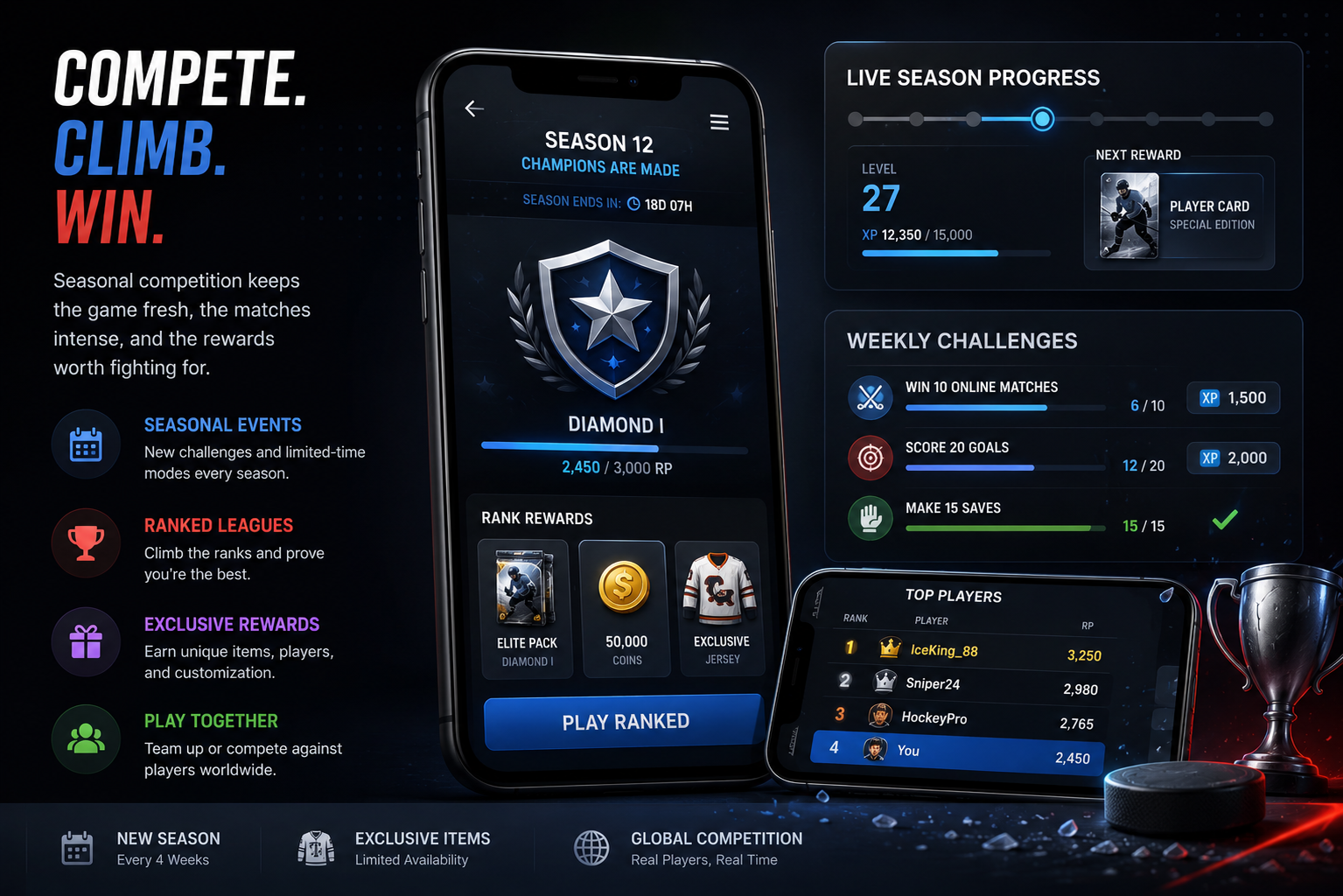
More mobile sports games are now prioritizing seasonal competition systems built around limited-time rewards, ranked ladders, rotating tournaments, and live multiplayer events. Instead of playing casually for months without urgency, users are being encouraged to return daily during active seasons.
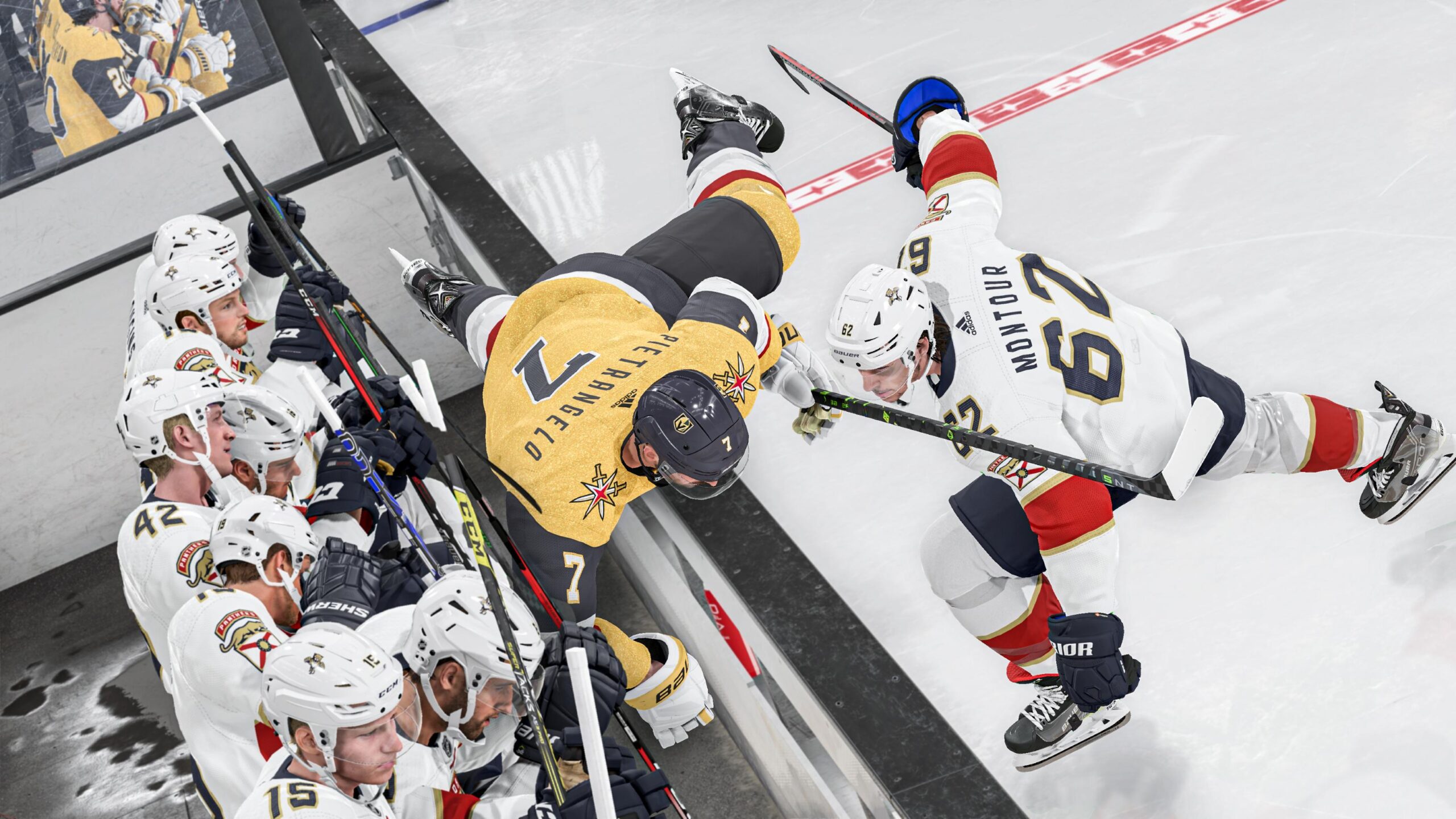
This shift is becoming especially visible in hockey, football, basketball, and racing games where engagement now depends more on live competition cycles than permanent progression systems.
Seasonal Systems Keep Players Active Longer
Developers discovered that many players stopped opening sports games after reaching certain milestones. Once career modes were completed or upgrades slowed down, user activity often dropped sharply.
Seasonal systems changed that behavior. New rewards, ranking resets, special events, and temporary challenges give players reasons to return regularly instead of abandoning the game after a few weeks.
| Older Mobile Sports Games | Modern Seasonal Sports Games |
|---|---|
| Permanent progression | Rotating seasonal events |
| Offline career focus | Competitive live systems |
| Static rewards | Limited-time unlockables |
| Long grinding sessions | Short daily engagement loops |
Ranked Leagues Create More Competition
Many modern mobile sports titles now include divisions, ranked tiers, and seasonal leaderboards. This structure creates stronger competitive motivation than traditional offline progression.
Players no longer compete only against AI-controlled opponents. Instead, they constantly compare rankings, rewards, and performance against real users throughout each active season.
Even casual hockey and racing games are adopting systems previously seen mostly in large multiplayer PC titles.
Limited-Time Rewards Increase Daily Activity
Season-exclusive rewards have become one of the biggest engagement tools in mobile gaming. Players are far more likely to log in regularly when cosmetic items, characters, uniforms, or upgrades may disappear after a short period.
This strategy creates urgency without forcing extremely long gaming sessions. Many users now spend shorter amounts of time inside games but return much more frequently during active events.
Short Sessions Fit Modern Mobile Gaming Habits
Another reason seasonal competition works so well is that it matches modern mobile usage patterns. Players often open games during short breaks rather than during long uninterrupted sessions.
Quick ranked matches, live tournaments, and event-based objectives fit naturally into mobile behavior. Developers are increasingly designing sports games around fast engagement instead of marathon gameplay.
Live Events Are Becoming More Important
Mobile sports games are also experimenting with real-world event integration. Hockey games may launch playoff-themed tournaments, while racing games introduce temporary challenges tied to seasonal competitions or esports events.
This keeps games feeling active and connected to current sports culture instead of feeling static or outdated.
The Future of Mobile Sports Games Looks More Dynamic
Seasonal competition systems are quickly becoming one of the biggest design priorities in mobile sports gaming. Developers are realizing that consistent engagement matters more than endless permanent progression.
As ranked systems, live events, and rotating rewards continue evolving, mobile sports games will likely become even more dynamic, competitive, and socially connected over the next few years.