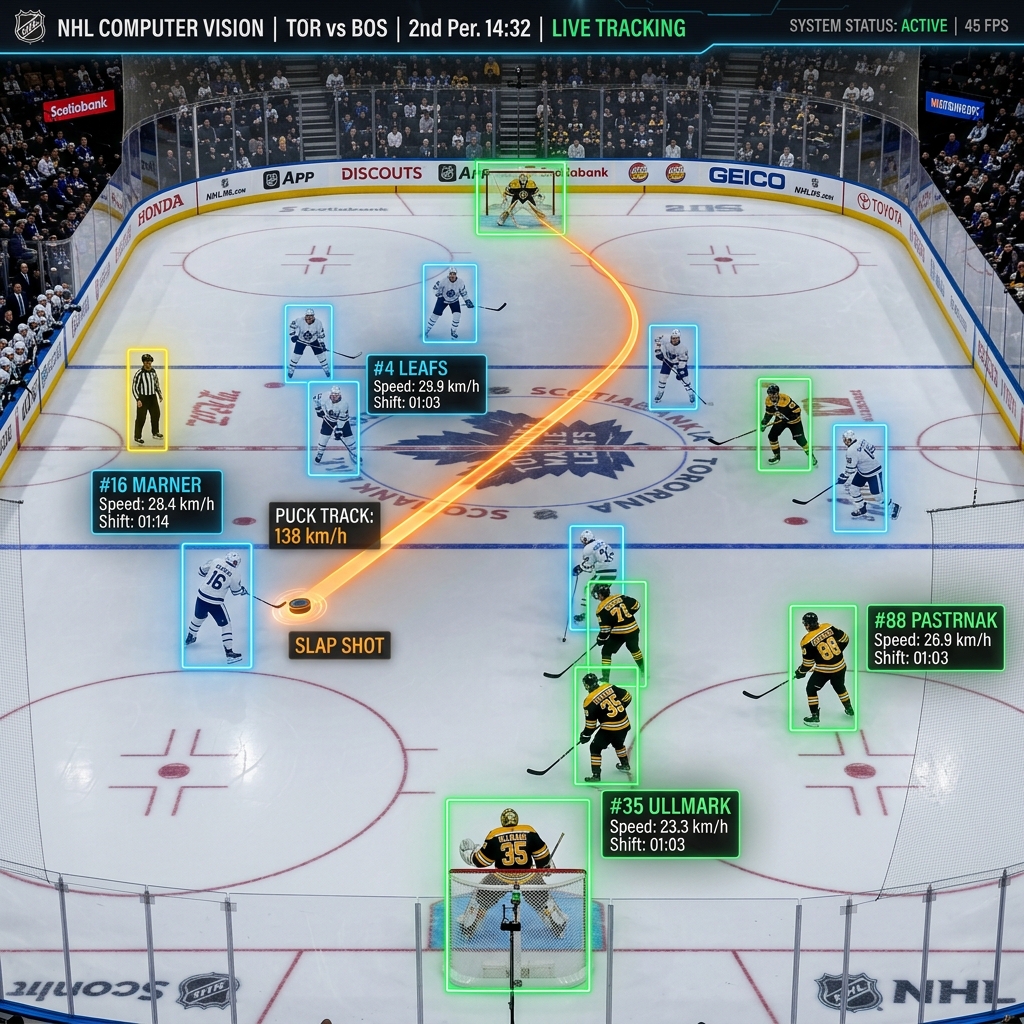
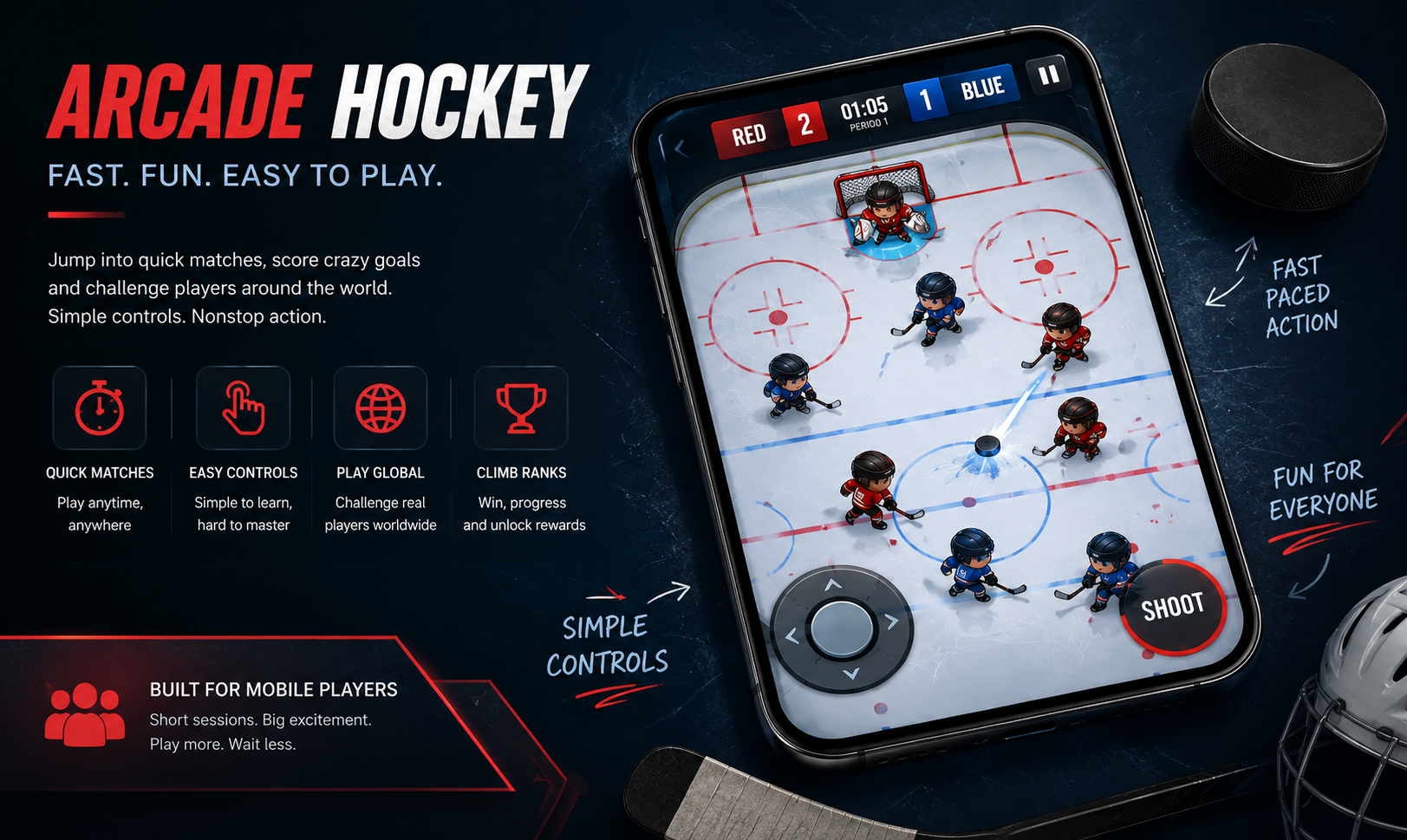
For years, sports gaming focused heavily on realism. Developers competed through physics systems, detailed animations, advanced AI behavior, and simulation mechanics designed to imitate real broadcasts as closely as possible. But something interesting started happening recently.
Arcade hockey games — the faster, simpler, more chaotic style of sports gaming — are quietly becoming relevant again, especially on mobile platforms. And the shift says a lot about how player behavior is changing in 2026.
Players Are Burning Out on Heavy Simulation
Realistic sports games can look impressive, but they also require time, focus, and patience. Long tutorials, advanced controls, complicated systems, and highly competitive matchmaking often make modern sports games feel exhausting for casual players. Arcade hockey games remove much of that pressure.
Instead of trying to simulate every tiny detail realistically, they focus on:
- quick reactions
- fast scoring
- simple movement
- easy replayability
- short session design
That formula fits mobile gaming habits extremely well.
The Industry Is Slowly Rediscovering Arcade Gameplay
Even larger sports publishers started noticing renewed interest in arcade-style experiences.
EA recently revived arcade-inspired hockey content inside NHL 25 through its “NHL Arcade” event mode, bringing exaggerated gameplay, power-ups, and simplified action back into a modern sports title.
The goal wasn’t realism. It was accessibility. Developers increasingly understand that not every player wants ranked simulation gameplay every time they open a sports app.
Mobile Gaming Changed Sports Expectations
Smartphones changed how players consume sports games entirely.
Most mobile sessions are short. People play while commuting, waiting, or relaxing for a few minutes between tasks. That environment naturally favors arcade pacing over deep simulation systems.
Arcade hockey games succeed because they deliver excitement almost immediately.
| Arcade Hockey Design | Traditional Simulation Design |
|---|---|
| Fast scoring | Slower strategic pacing |
| Simple controls | Complex mechanics |
| Quick matches | Longer game sessions |
| Casual accessibility | Competitive learning curve |
| Instant replayability | Higher time commitment |
That difference matters much more on mobile than on consoles.
Stylized Games Feel Easier To Enjoy
Another reason arcade sports titles are returning is visual tone.
Many mobile players now prefer games that feel entertaining instead of overly serious. Cartoon-inspired athletes, exaggerated effects, colorful arenas, and playful animations create lower-pressure experiences.
That lighter presentation often increases replayability because losing feels less frustrating. Players simply restart and continue playing.
Younger Audiences Prefer Faster Action
Several modern sports projects are now targeting younger audiences directly through arcade mechanics instead of traditional simulation design.
One recent example is FIFA Heroes, an upcoming arcade-focused football game designed around exaggerated gameplay, fast matches, and multiplayer accessibility rather than realism-heavy simulation systems.
The idea reflects a larger industry shift happening across sports gaming. Studios increasingly realize that many younger mobile players value speed and entertainment more than technical authenticity.
Short Competitive Loops Work Better on Phones
Arcade hockey games also fit modern attention patterns better than long simulation sessions.
Quick competitive loops create faster satisfaction:
- score quickly
- restart instantly
- rejoin matches easily
- play multiple rounds rapidly
That structure keeps engagement high without demanding huge concentration periods.
Simple Gameplay Helps Global Growth
One underrated advantage of arcade sports games is accessibility across different regions and audiences.
Players unfamiliar with complex hockey rules can still enjoy simplified gameplay immediately. That lowers onboarding friction dramatically.
As mobile gaming continues expanding globally, simpler sports formats often travel better internationally than hardcore simulation games.
The Mobile Market Is Favoring Retention
Recent mobile gaming industry reports show that studios are becoming more focused on long-term engagement and retention rather than pure download numbers.
Arcade gameplay supports that strategy naturally because it encourages frequent short sessions instead of occasional long sessions.
That makes arcade sports design surprisingly valuable in today’s mobile ecosystem.
Why Arcade Hockey May Keep Growing
The return of arcade hockey games does not mean realistic sports simulations are disappearing. However, it does show that players increasingly want balance. Sometimes they want realism. Other times they simply want fast, enjoyable gameplay without pressure.
Mobile gaming amplified that demand strongly. And as developers continue adapting sports experiences for smaller screens and shorter attention spans, arcade-style hockey may become far more important than many expected just a few years ago.