Competitive gameplay still plays a major role in mobile gaming, but many modern titles are shifting toward social interaction instead of pure competition.
Players increasingly spend time inside games not only to win matches, but also to communicate, share progress, participate in communities, and interact with friends.
Mobile gaming is slowly becoming a social experience as much as an entertainment product.
Players Want More Than Winning
Many users no longer open mobile games only for rankings or rewards. They also look for relaxation, interaction, and shared experiences.
Games that create emotional connection between players often maintain stronger long-term engagement than titles focused entirely on competition.
This is especially visible among younger audiences who already treat digital platforms as social spaces.
Community Features Became Essential
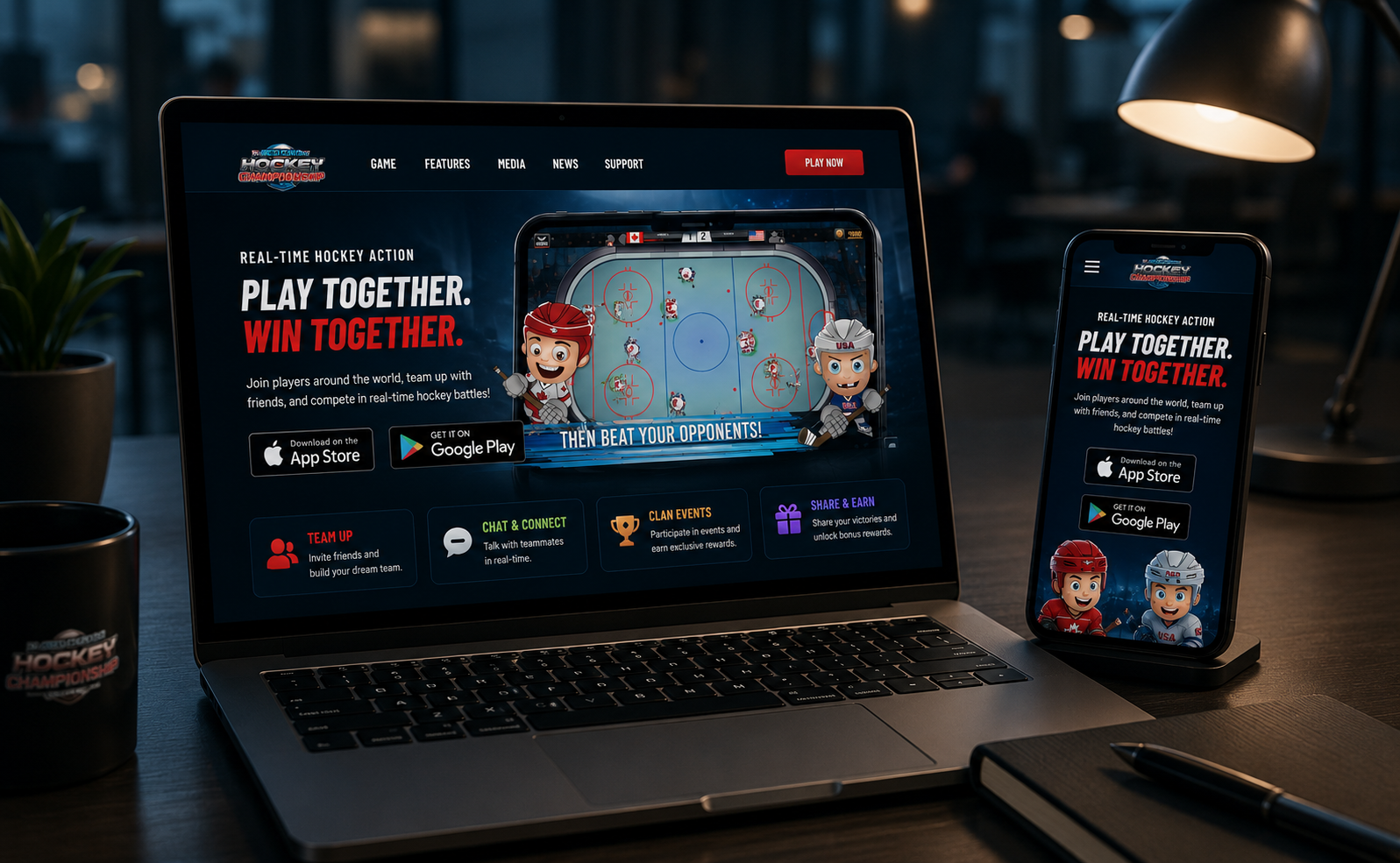
Modern mobile games now frequently include:
- friend systems
- group events
- real-time chat
- shared achievements
- team-based progression
These systems encourage players to remain active even when they are not directly competing.
Social Interaction Increases Retention
When players build connections inside a game, they are more likely to continue returning regularly.
Social systems create habits that go beyond gameplay mechanics alone. Logging in to interact with teammates, complete shared objectives, or participate in limited events often becomes part of daily digital behavior.
Streaming And Content Sharing Changed Gaming
Platforms like TikTok, YouTube, and livestreaming services also influenced how people experience mobile games.
Many users now engage with gaming content socially even outside the games themselves through clips, highlights, memes, and community discussions.
| Older Mobile Games | Modern Mobile Games |
|---|---|
| Solo-focused gameplay | Community interaction |
| Offline progression | Shared live events |
| Simple score systems | Social ecosystems |
| Limited communication | Constant player engagement |
Casual Players Drive Large Audiences
Not every player wants highly competitive environments. Casual audiences often prefer games that feel welcoming, social, and easy to enjoy without pressure.
This has encouraged developers to create experiences centered more around interaction than strict competition.
Mobile Gaming Continues Expanding Beyond Gameplay
Many successful games today operate almost like digital communities rather than standalone apps.
Players spend time chatting, customizing profiles, joining seasonal activities, and interacting socially alongside the gameplay itself.
Conclusion
Mobile games are becoming more social because players increasingly value connection, interaction, and shared digital experiences.
As gaming continues evolving, community engagement may become just as important as gameplay mechanics in determining long-term success.