
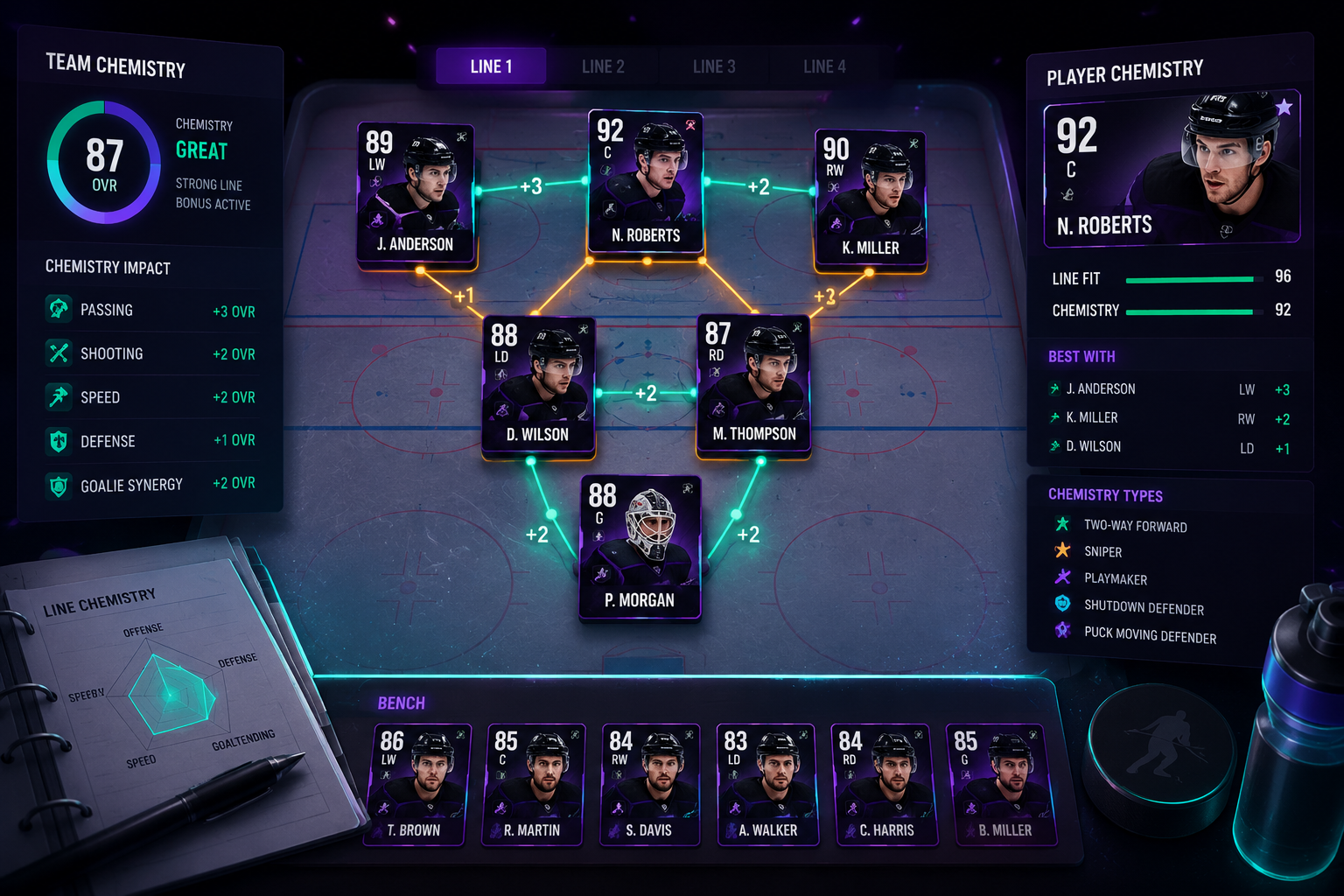
Mobile hockey games have evolved far beyond simple arcade-style gameplay. While scoring goals and winning matches remain the primary objectives, developers are increasingly introducing dynamic player chemistry systems that add another layer of strategy to team building.
Rather than focusing solely on player ratings, modern hockey games are encouraging users to consider how athletes perform together. The idea is simple: a team made up of individually talented players may not always outperform a squad with stronger chemistry and better on-ice relationships. This shift is helping mobile hockey games create deeper gameplay experiences while rewarding long-term planning and roster management.
What Is a Player Chemistry System?
A player chemistry system measures how well athletes work together within a lineup. Instead of evaluating players as isolated individuals, the game considers relationships between teammates.
Several factors may influence chemistry:
- Shared playing styles
- Time spent on the same line
- Similar strengths and attributes
- Team loyalty
- Position compatibility
- Previous performances together
As chemistry improves, players may receive bonuses that impact overall performance.
Why Developers Are Adding Chemistry Mechanics
Modern mobile sports games face increasing competition. To keep players engaged, developers need systems that encourage strategic thinking and long-term progression. Player chemistry helps achieve these goals because it creates meaningful decisions beyond simply acquiring the highest-rated athletes.
Benefits for Developers
| Benefit | Impact |
|---|---|
| Increased retention | Players spend more time improving teams |
| Greater depth | Team building becomes more strategic |
| Better progression | Improvements feel more rewarding |
| More lineup variety | Different combinations become viable |
| Long-term goals | Players remain engaged across seasons |
These advantages explain why chemistry systems are becoming increasingly common across sports titles.
Building a Successful Team Is No Longer About Ratings Alone
In older sports games, assembling the best roster was often straightforward. Players simply selected athletes with the highest numbers and expected success. Today’s hockey games are moving away from that formula.
A lineup with excellent chemistry may outperform a collection of stars who do not complement each other effectively.
For example:
| Team Type | Expected Result |
|---|---|
| High ratings, poor chemistry | Inconsistent performance |
| Moderate ratings, strong chemistry | Better teamwork |
| Balanced ratings and chemistry | Optimal results |
This approach creates a more realistic representation of how hockey teams succeed in real life.
How Chemistry Affects Gameplay
Developers are using chemistry systems to influence various aspects of gameplay.
Common effects include:
- Faster passing sequences
- Improved offensive positioning
- Better defensive awareness
- Enhanced puck movement
- Increased scoring opportunities
- More effective line combinations
These bonuses encourage players to think carefully about roster construction rather than relying entirely on player ratings.
Long-Term Progression Becomes More Meaningful
One reason chemistry systems are becoming popular is their ability to create meaningful progression. Instead of constantly replacing players with slightly stronger alternatives, users are encouraged to invest in existing lineups and develop stronger relationships between teammates.
This creates several advantages:
- Greater emotional investment
- Stronger team identity
- More rewarding progression
- Increased strategic depth
- Better roster stability
Many players enjoy watching their teams improve over time through both individual development and stronger chemistry.
Why Players Enjoy Chemistry-Based Gameplay
The popularity of chemistry systems comes from the additional strategic layer they provide. Players enjoy experimenting with different combinations to discover which lineups work best together. This process makes team management feel more important and creates a sense of ownership over roster decisions.
Popular reasons players enjoy chemistry systems include:
- More realistic team building.
- Greater strategic variety.
- Better long-term goals.
- Improved replay value.
- Stronger competitive balance.
These factors help keep gameplay fresh even after hundreds of matches.
Future Developments
As mobile hockey games continue evolving, chemistry systems are likely to become more sophisticated.
Future features may include:
- Personality compatibility
- Leadership bonuses
- Dynamic locker room morale
- Coaching influence
- Rivalries between players
- Detailed line chemistry analytics
These additions could create even deeper management systems while maintaining accessibility for casual players.
Conclusion
Dynamic player chemistry systems are becoming an important part of modern mobile hockey games. By rewarding teamwork, lineup planning, and long-term roster development, these mechanics create more engaging and realistic experiences.
Rather than focusing solely on player ratings, developers are encouraging users to build balanced teams that perform well together. As sports games continue to evolve, chemistry systems are likely to play an even bigger role in shaping how players manage and compete with their teams.