Competitive sports games continue ranking among the most successful categories on mobile app stores in 2026 as multiplayer gaming, esports culture and mobile performance improvements drive global player engagement.
From football and basketball simulators to hockey, racing and arcade-style sports titles, mobile sports games are attracting millions of active users across Android and iPhone platforms. Developers are increasingly focusing on real-time multiplayer systems, live tournaments and social gaming features designed to keep players engaged for longer periods.
As smartphone hardware becomes more powerful and internet connectivity improves globally, competitive sports gaming is evolving into one of the fastest-growing segments within the mobile gaming industry.
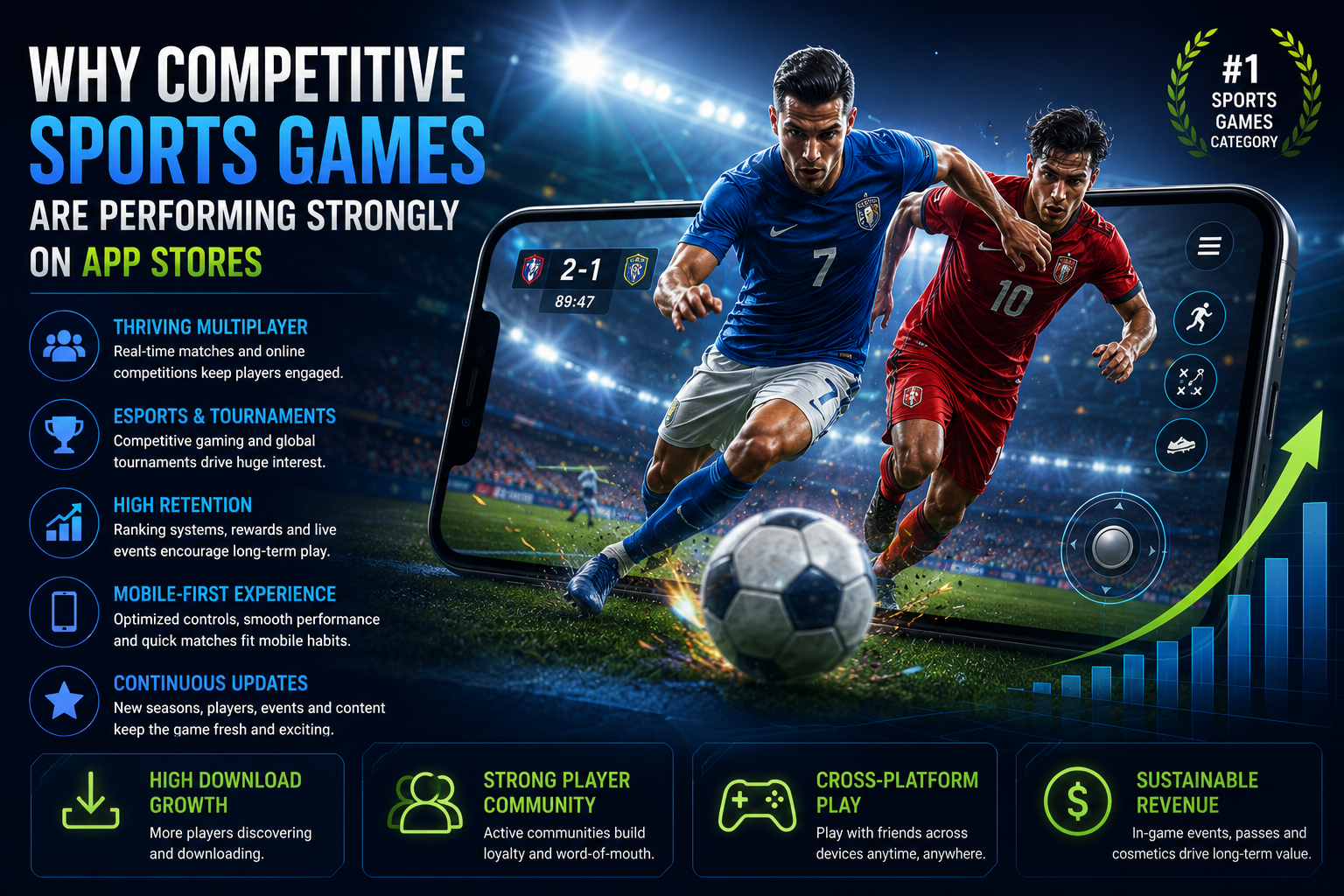
Why Competitive Sports Games Continue Growing
Sports games have always maintained strong popularity because they combine fast gameplay, competitive mechanics and high replay value.
In 2026, several major trends are accelerating growth in the category:
- Real-time online multiplayer
- Mobile esports expansion
- Cross-platform gaming
- Live events and tournaments
- Improved smartphone graphics
- Social and community features
These systems help sports games maintain active player communities and strong retention rates.
Multiplayer Gaming Is Driving Player Engagement
One of the biggest reasons competitive sports games perform well on app stores involves online multiplayer functionality.
Modern players increasingly prefer games that offer:
- Real-time PvP gameplay
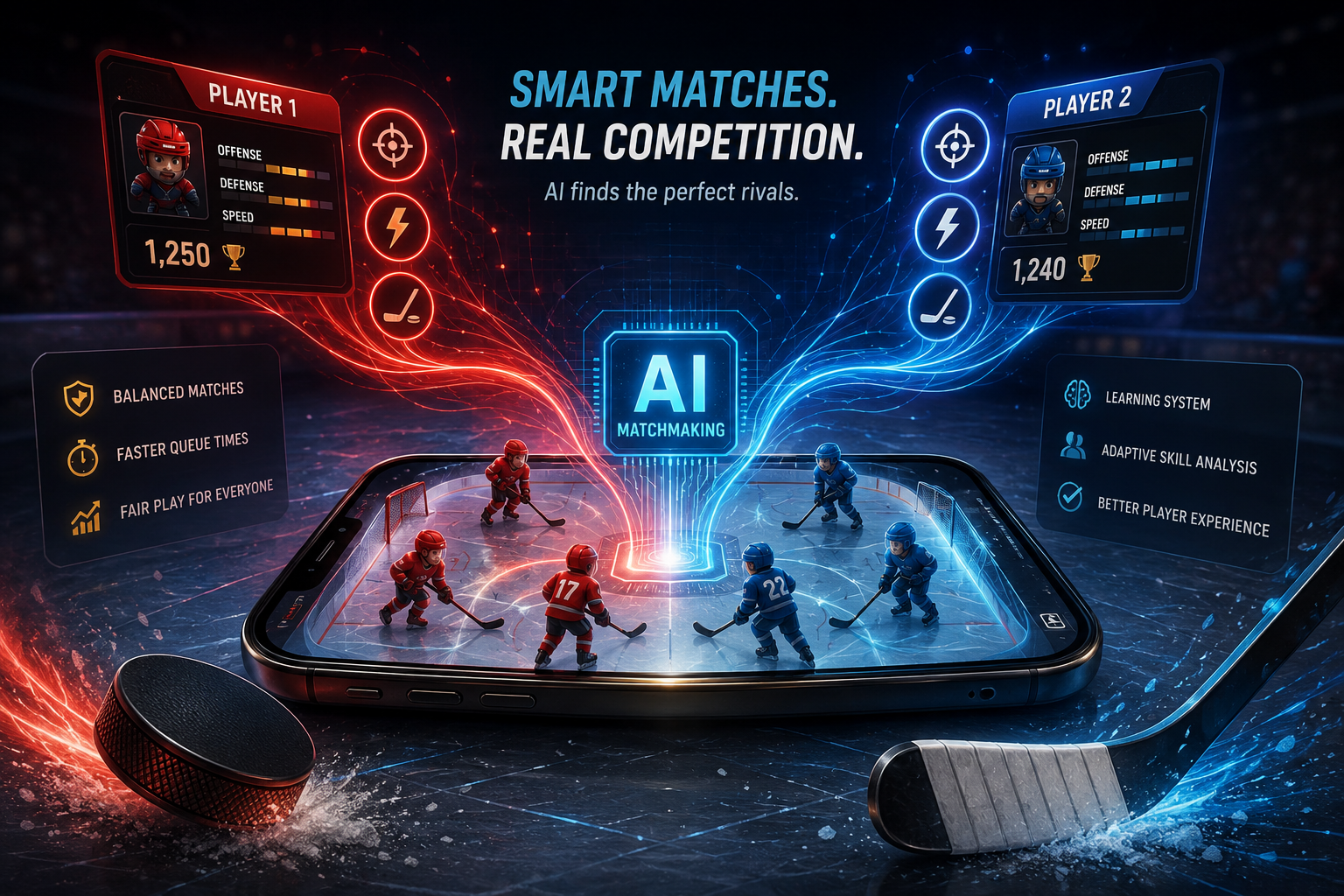
- Global matchmaking
- Ranked competition
- Online leagues
- Social team systems
- Live tournaments
Unlike single-player mobile games, competitive sports titles often create long-term engagement through progression systems and online competition.
Top Factors Behind Sports Game Success on App Stores
| Trend | Impact on Mobile Sports Games |
|---|---|
| Real-time multiplayer | Higher player retention |
| Esports influence | Increased competitive gaming interest |
| Live-service content | Continuous player engagement |
| Improved graphics | More immersive gameplay |
| Cross-platform support | Larger online communities |
| Mobile-first gaming habits | Higher app store downloads |
Mobile Esports Are Expanding Rapidly
Mobile esports continue growing worldwide, and competitive sports games are benefiting heavily from this trend.
Many sports titles now include:
- Ranked seasons
- Competitive ladders
- Professional tournaments
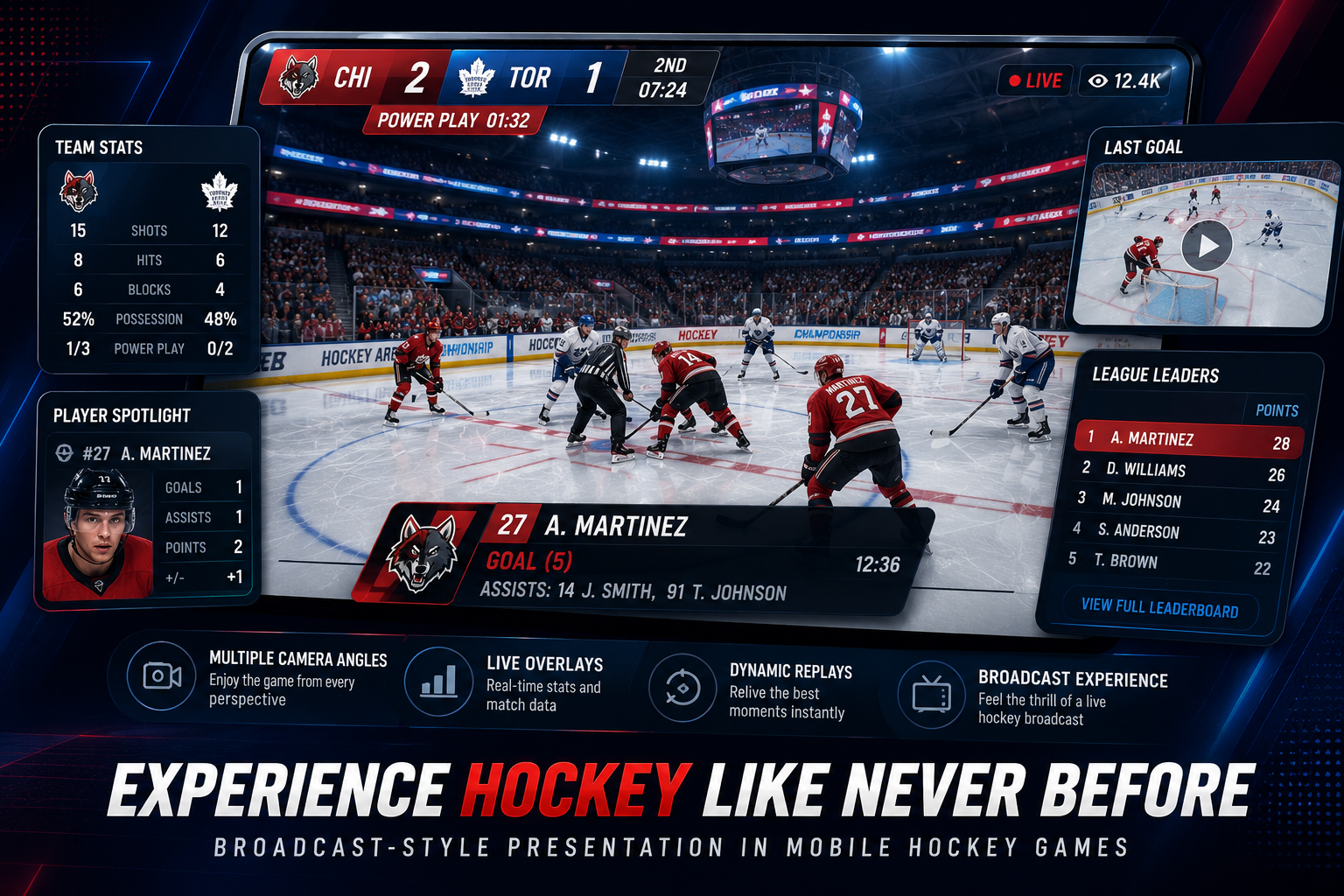
- Spectator modes
- Skill-based matchmaking
Developers increasingly design sports games with esports-style progression systems to encourage long-term player investment.
Sports Games Benefit From Short Session Gameplay
Mobile users often prefer games that can be played in short sessions without requiring long time commitments.
Competitive sports games work particularly well on smartphones because matches are usually:
- Fast-paced
- Easy to access
- Replayable
- Skill-based
- Suitable for quick sessions
This structure aligns perfectly with modern mobile gaming habits.
Graphics and Performance Continue Improving
Modern smartphone hardware has significantly improved the quality of mobile sports games.
Many current titles now feature:
- High frame-rate gameplay
- Realistic player animations
- Advanced lighting systems
- Enhanced physics engines
- Console-style visual quality
These graphical improvements make sports games feel more immersive and competitive.
Live-Service Updates Keep Players Active
Most successful sports games now operate as live-service platforms rather than standalone releases.
Developers continuously add:
- Seasonal content
- Roster updates
- Special events
- Competitive challenges
- Limited-time rewards
This strategy helps maintain active communities and increases long-term engagement across app stores.
Social Features Are Becoming More Important
Modern mobile sports games increasingly focus on community-driven features.
Players now expect:
- Friend systems
- Online clubs and teams
- Voice chat integration
- Leaderboards
- Shared achievements
These social systems help transform sports games into long-term online ecosystems rather than simple casual apps.
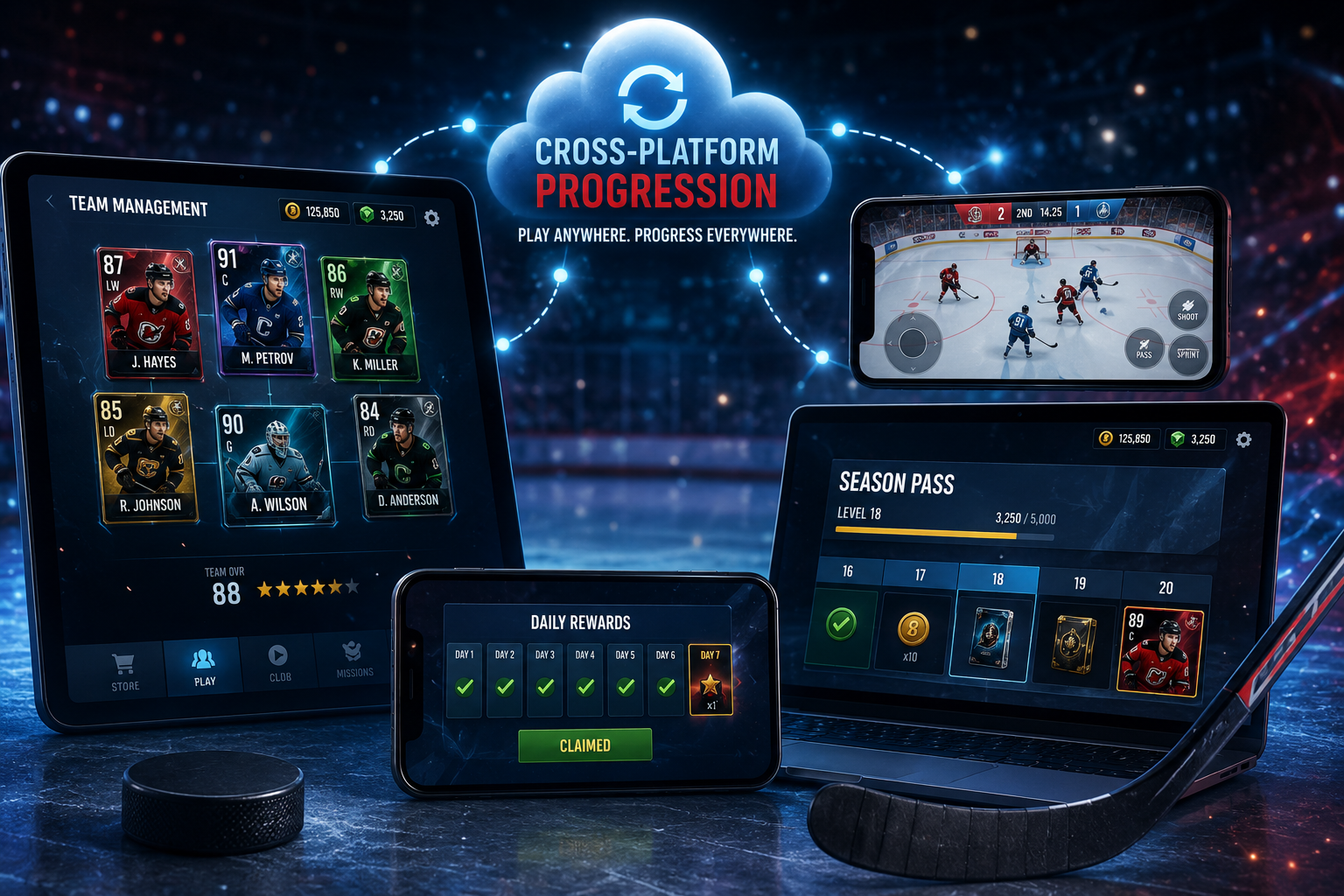
Cross-Platform Gaming Is Expanding
Cross-platform support is becoming increasingly common across sports games.
Many modern titles allow users to:
- Share progress between devices
- Compete across platforms
- Access cloud saves
- Use synchronized accounts
This flexibility improves accessibility and helps developers build larger player communities.
Sports Games Continue Generating Strong Revenue
Competitive sports games remain highly profitable for mobile developers.
Popular monetization systems include:
- Battle passes
- Cosmetic upgrades
- Player customization
- Seasonal content packs
- Competitive event passes
Because sports games maintain strong engagement over long periods, they often generate stable recurring revenue.
What Players Want From Sports Games in 2026
Modern players increasingly expect sports games to deliver:
- Fair matchmaking systems
- Responsive controls
- Balanced competitive gameplay
- Regular updates
- Minimal pay-to-win mechanics
- Strong online stability
Games capable of balancing accessibility and competitive depth are currently performing best across app stores.
The Future of Competitive Mobile Sports Games
Industry analysts expect competitive sports gaming to continue expanding rapidly over the next several years.
Future trends may include:
- AI-driven matchmaking
- Cloud gaming integration
- Advanced mobile esports systems
- Real-time spectator experiences
- More immersive multiplayer environments
As mobile hardware continues improving, sports games are expected to become even more sophisticated and competitive.
Conclusion
Competitive sports games continue performing strongly on app stores because they combine multiplayer engagement, fast-paced gameplay and strong replay value.
Driven by esports growth, live-service updates and improving smartphone technology, sports games remain one of the most active and profitable categories in mobile gaming.
As developers continue investing in online competition, social features and immersive gameplay systems, competitive mobile sports games are likely to remain a major force within the global app economy.