
Defending in a hockey game is often associated with checking, stealing the puck or relying on the goalkeeper to make a save. Yet many dangerous attacks can be stopped before the puck ever reaches the net. A defender who moves into a shooting lane at the right moment can turn a clear scoring opportunity into a blocked puck, a loose rebound or even the beginning of a counterattack.
That makes shot blocking an interesting mechanic for mobile hockey games. It can give defensive play more depth without requiring a large collection of new controls. The challenge is making blocks depend on positioning and timing rather than turning defenders into automatic barriers that stop every shot.
A Shooting Lane Can Become a Defensive Decision
When an attacker prepares to shoot, the defender has several possible responses. Moving directly toward the puck carrier can reduce the available space, but it may also allow the attacker to skate around the pressure. Staying closer to the net protects the most dangerous area but gives the shooter more time.
Stepping into the shooting lane creates another option. Instead of trying to win possession immediately, the defender attempts to occupy the path between the puck and the goal.
This can make defensive situations much more readable. Players begin to think not only about where the opponent is standing, but also about where a potential shot is likely to travel. A defender positioned a few meters away may still influence the attack if their body covers an important part of that route.
| Defensive choice | Possible advantage | Main risk |
|---|---|---|
| Pressure the puck carrier | Reduces time with the puck | Can be beaten by movement |
| Protect the net | Covers dangerous central space | Gives shooter more room |
| Block the shooting lane | Can stop the shot before goal | Requires accurate positioning |
| Attempt a stick interception | May regain possession | Mistimed attempt can open space |
| Stay with another attacker | Limits passing option | Leaves shooter less pressured |
The result is a defensive system where several choices can be useful depending on the situation.
Timing Should Matter as Much as Position
Shot blocking becomes less interesting if standing anywhere near the puck automatically stops a shot. Players need to understand when a defender is actually in the trajectory.
A well-timed block might involve moving into the lane immediately before the shot is released. Commit too early and the attacker has time to change direction or pass. Commit too late and the puck is already past the defender.
This creates a small timing challenge similar to other mobile sports mechanics. The input itself can remain simple — perhaps movement toward the lane or a contextual block action — while the result depends on when and where the player uses it.
Different shooting techniques can also change the timing. A quick wrist shot gives the defender less time to react, while a longer wind-up may make a powerful shot easier to anticipate. The player therefore learns to read the attack instead of repeatedly using the same defensive action.
Blocking a Shot Should Carry a Cost
A successful block is valuable precisely because a defender has to commit to it. If there is no downside, players could simply place every defender in front of the goal and wait for the puck.
Mobile games can avoid this by giving blocking actions a short recovery period. A defender who drops to one knee, turns their body or slides across a lane may stop the initial shot but need a moment before returning to normal movement.
That creates an important trade-off. If the block succeeds cleanly, the defense has prevented a dangerous attempt. If the puck changes direction and remains loose, however, the defender may temporarily be unable to react.
Attackers can exploit this as well. A fake shot could encourage a defender to commit early, opening another lane for a pass or a second attempt. Shot blocking then becomes part of the interaction between attacker and defender rather than a simple defensive animation.
Deflections Can Make Blocks Less Predictable
Not every blocked shot should result in the puck stopping directly in front of the defender. In hockey, contact can send the puck in unexpected directions.
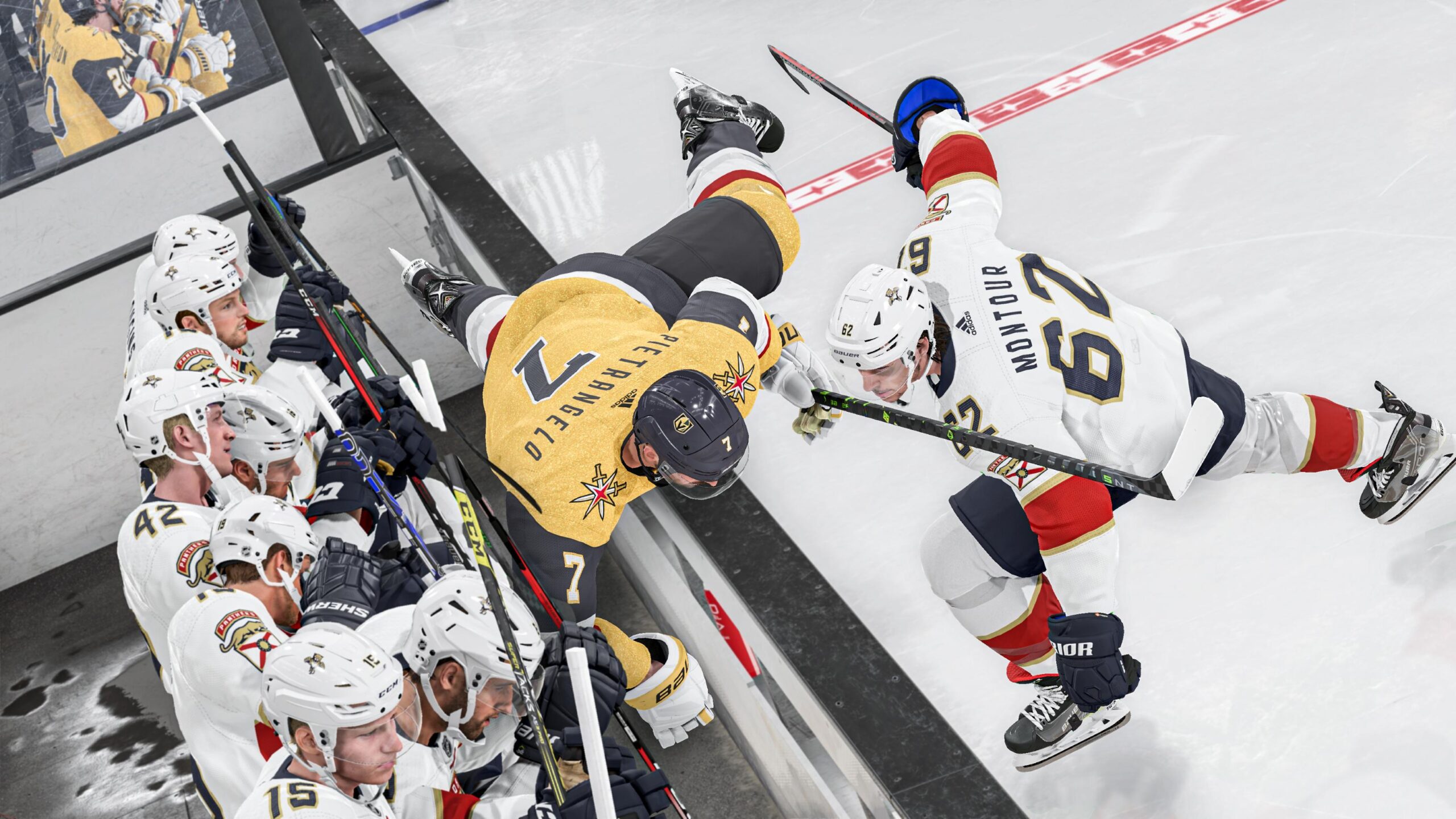
A shot hitting a skate might move toward the boards. Contact with a stick could send it higher or change its angle. A block close to the net could even produce a dangerous loose puck that another attacker reaches first.
Mobile games can use these outcomes to keep defensive plays active after the initial block. Instead of immediately rewarding the defending team with possession, the game can create a second contest around the loose puck.
The outcome can depend on several factors: the original speed of the shot, the angle of contact, the defender’s position and which part of the player model the puck hits. These details do not need to be simulated with extreme realism, but enough variation can prevent blocks from feeling scripted.
AI Defenders Need to Know When Not to Block
Shot blocking is particularly challenging for AI-controlled teammates. If they constantly move into shooting lanes, they may obstruct the player’s view or leave other attackers completely unmarked. If they never attempt a block, the mechanic becomes useful only when the user directly controls a defender. Good defensive AI needs to evaluate the situation before committing.
A defender close to the puck carrier may challenge the shot, while another player protects the area near the net. If the attacker has a clear lane and appears ready to shoot, an AI teammate could move into that path. If a dangerous passing option is available on the opposite side, staying in position may be more important. This makes AI behavior feel less mechanical because defenders are responding to the structure of the attack rather than simply moving toward the puck.
Shot Blocking Can Make Different Defenders Feel Different
Player attributes can also influence how effective the mechanic becomes. A strong defensive specialist might react more quickly to shooting attempts or cover a larger area effectively, while an offensive-minded player may be less reliable when trying to close a lane.
Size can matter without becoming an automatic advantage. Larger defenders naturally occupy more space, but quicker players may be better at moving across the ice before a shot is released.
Useful attributes could include defensive awareness, reaction speed, balance and recovery. These characteristics give roster choices a visible effect during matches instead of existing only as numbers on a player card.
The important part is keeping the relationship understandable. Players should be able to notice that a particular defender is effective at protecting shooting lanes without needing to study a complicated hidden formula.
Blocks Can Change the Transition From Defense to Attack
A blocked shot does not always end an attacking sequence. Sometimes it creates the moment when possession changes direction. If the puck deflects into open ice, a winger may collect it and immediately begin moving the other way. An attacking team that had several players positioned deep in the offensive zone can suddenly become vulnerable.
This gives shot blocking an offensive consequence as well. The defending player is not simply trying to reduce the number of shots reaching the goalkeeper. A successful block can create the first action of a counterattack.
The location of the block becomes important. Stopping a shot near the boards may produce a relatively safe loose puck, while blocking one directly in front of goal can create a chaotic situation where either team could gain possession.
The Interface Should Not Predict Everything
Mobile screens are small, so developers may be tempted to display large lines showing exactly where every shot will travel. That would make blocking easier to understand, but it could also remove much of the skill.
Subtle visual information is usually enough. The attacker’s body orientation, stick position and movement can help indicate where a shot may be heading. A small contextual indicator could assist newer players without drawing a permanent trajectory across the ice.
Higher difficulty levels could reduce those hints and require players to read the animation more carefully. This creates a natural learning curve: beginners understand the mechanic quickly, while experienced players become better at anticipating shots.
The same approach keeps the rink visually clean. Hockey already involves several moving players, the puck, the goalkeeper and interface elements such as the score and timer. Shot blocking should add a decision to the game, not another layer of visual clutter.
Shot Blocking Gives Defense a More Active Role
The strongest reason to include shot blocking is that it gives players something meaningful to do when they do not have the puck. Instead of waiting for the goalkeeper or repeatedly chasing the attacker, they can influence a scoring opportunity through anticipation.
A good system does not need complicated controls. Positioning in the correct lane, recognizing when a shot is coming and choosing whether to commit can provide enough depth on their own.
It also creates natural consequences. A successful block can prevent a goal or launch a counterattack. A mistimed attempt can leave a defender out of position. A deflection can produce a loose puck that neither side expected.
Those possibilities make defensive possessions less predictable. For mobile hockey games trying to create deeper matches without slowing down the action, shot blocking offers a mechanic that is easy to understand but difficult to use perfectly.