For years, mobile hockey games focused primarily on gameplay mechanics, matchmaking systems, and competitive features. While those elements remain essential, developers are increasingly investing in another area that significantly impacts player engagement: broadcast-style presentation.
Modern players no longer want mobile sports games to feel like simplified arcade experiences. Instead, they expect matches to resemble real sporting events. As a result, mobile hockey developers are introducing television-inspired production elements that create a more immersive and authentic atmosphere.
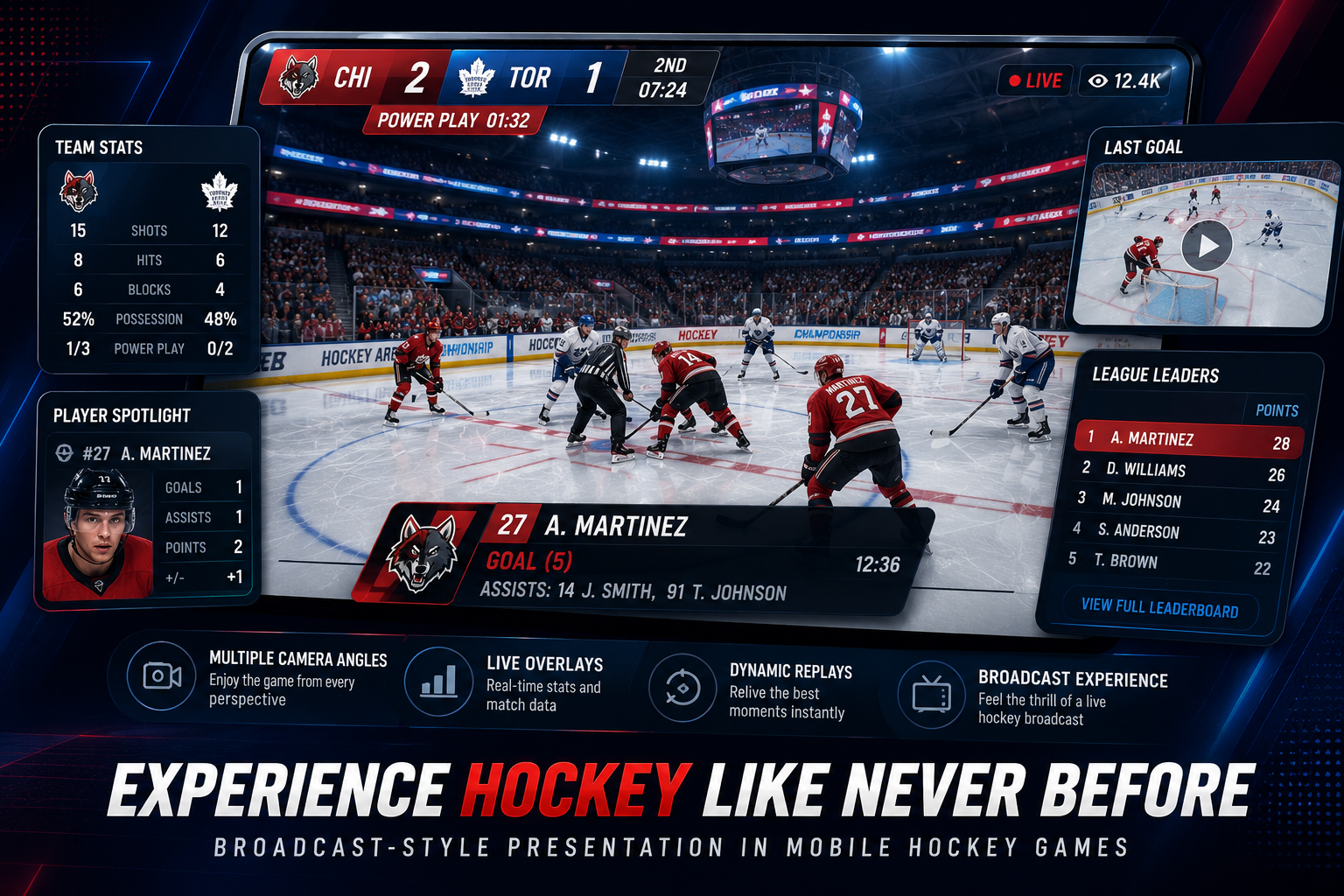
From dynamic camera angles and live score overlays to pre-game introductions and advanced statistics, broadcast-style presentation is becoming a major trend across the mobile hockey genre.
Why Presentation Has Become More Important
As mobile hardware improves, visual expectations continue to rise. Players today compare mobile sports games not only against other mobile titles but also against:
- Television broadcasts
- Streaming platforms
- Console sports games
- Professional esports productions
This shift has encouraged developers to focus on the complete match experience rather than gameplay alone.
Presentation now helps create:
- Greater immersion
- Stronger emotional engagement
- Improved realism
- Better match storytelling
- Higher retention rates
The result is a hockey experience that feels more like watching a live event.
The Evolution of Match Presentation
Earlier mobile hockey games often featured minimal interfaces and basic gameplay screens. Modern titles increasingly include elements borrowed directly from sports broadcasting.
| Traditional Mobile Hockey | Broadcast-Style Hockey |
|---|---|
| Static score display | Dynamic score graphics |
| Simple cameras | Multiple viewing angles |
| Basic match start | Team introductions |
| Limited statistics | Live performance data |
| Instant transitions | Broadcast-style sequences |
These additions help transform ordinary matches into more memorable experiences.
Dynamic Camera Systems Are Leading the Change
Camera technology plays a major role in modern presentation.
Developers are experimenting with:
- Tracking cameras
- Goal cameras
- Replay cameras
- Zoom effects
- Cinematic transitions
- Highlight perspectives
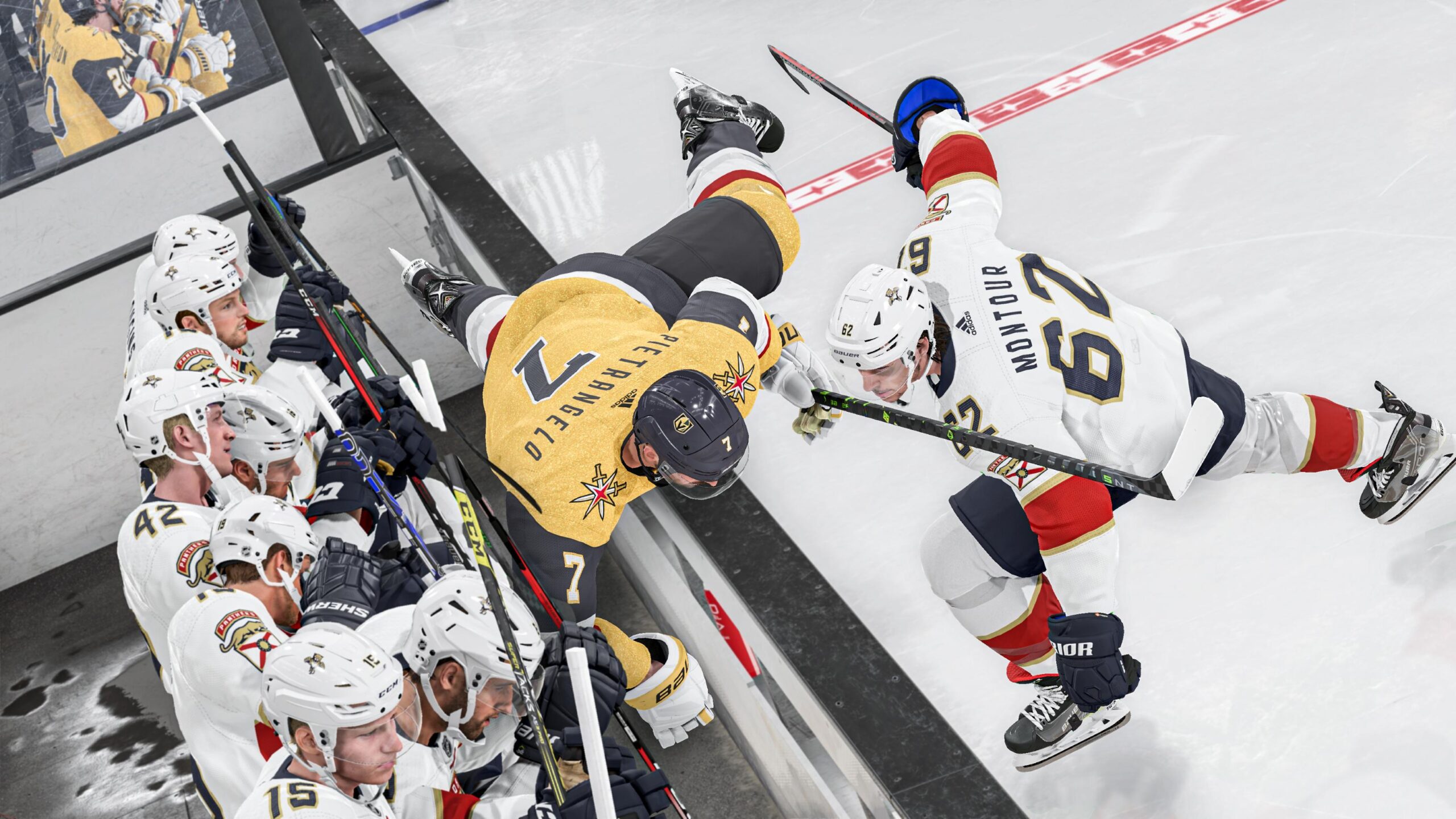
Different camera angles create a stronger sense of scale and excitement. For example, a goal replay viewed from multiple perspectives often feels far more dramatic than a simple gameplay recording. This approach mirrors techniques used in professional hockey broadcasts.
Real-Time Graphics Are Becoming Standard
One of the most visible trends is the expansion of live graphics. Modern hockey games increasingly display:
- Team statistics
- Shot counts
- Possession metrics
- Player performance indicators
- Match milestones
- Leaderboard information
These graphics help players understand what is happening during a match without interrupting gameplay. They also make games feel more professional and polished.
Match Introductions Create Stronger Atmosphere
Many developers are investing more resources in pre-match presentation. Before gameplay begins, players may now see:
- Team introductions
- Arena flyovers
- Player lineups
- Tournament branding
- Championship graphics
These features build anticipation and make important matches feel more significant. A championship game should feel different from a regular match, and presentation helps create that distinction.
Commentary Systems Continue to Improve
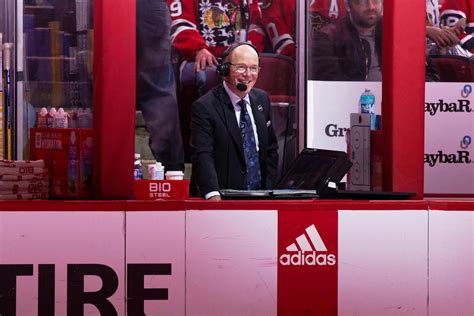
Commentary has long been associated with console sports games. Mobile hockey titles are now beginning to adopt similar concepts.
Modern commentary systems can:
- React to goals
- Highlight momentum shifts
- Reference player achievements
- Discuss match situations
- Build excitement during key moments
While mobile commentary remains simpler than television broadcasts, it is becoming increasingly sophisticated. The goal is to make matches feel alive rather than purely mechanical.
Replays Are Becoming Part of the Broadcast Experience
Replay systems are no longer used only for reviewing goals. Many developers now integrate them directly into match presentation.
Common replay features include:
| Replay Feature | Broadcast Benefit |
|---|---|
| Slow motion | Highlight key plays |
| Multiple angles | Increase realism |
| Goal recaps | Build excitement |
| Save highlights | Showcase skill |
| Match summaries | Improve storytelling |
These systems help recreate the emotional impact of watching professional hockey.
Esports Influence Is Accelerating the Trend
The growth of mobile esports has significantly influenced presentation design.
Competitive audiences expect:
- Professional overlays
- Spectator-friendly cameras
- Live statistics
- Match recaps
- Highlight packages
Many hockey developers are designing presentation systems that serve both players and spectators. This dual-purpose approach increases the game’s appeal and creates more opportunities for content creation.
Better Storytelling Through Visual Presentation
One of the biggest advantages of broadcast-style design is storytelling. Professional sports broadcasts constantly tell stories through:
- Statistics
- Graphics
- Commentary
- Replays
- Visual comparisons
Mobile hockey games are beginning to do the same.
Presentation systems can highlight:
- Winning streaks
- Rivalries
- Player achievements
- Tournament progress
- Comeback opportunities
These narratives make matches more engaging and memorable.
What the Future Could Look Like
Broadcast-style presentation is still evolving. Future innovations may include:
- Personalized match broadcasts
- AI-generated commentary
- Advanced player introductions
- Interactive spectator modes
- Dynamic arena presentations
- Real-time analytical overlays
As mobile devices become more powerful, presentation quality will likely continue moving closer to professional sports productions.
Final Thoughts
Broadcast-style presentation is becoming one of the most important trends in mobile hockey games. By incorporating television-inspired graphics, dynamic cameras, live statistics, commentary, and replay systems, developers are creating experiences that feel far more immersive than traditional mobile sports games.
Players no longer expect simple gameplay alone. They want matches that look, feel, and unfold like real hockey events. As the industry continues evolving, presentation quality may become just as important as gameplay mechanics in determining which mobile hockey games stand out from the competition.