Some mobile games are designed to be relaxing. Others are designed to keep your brain constantly stimulated.
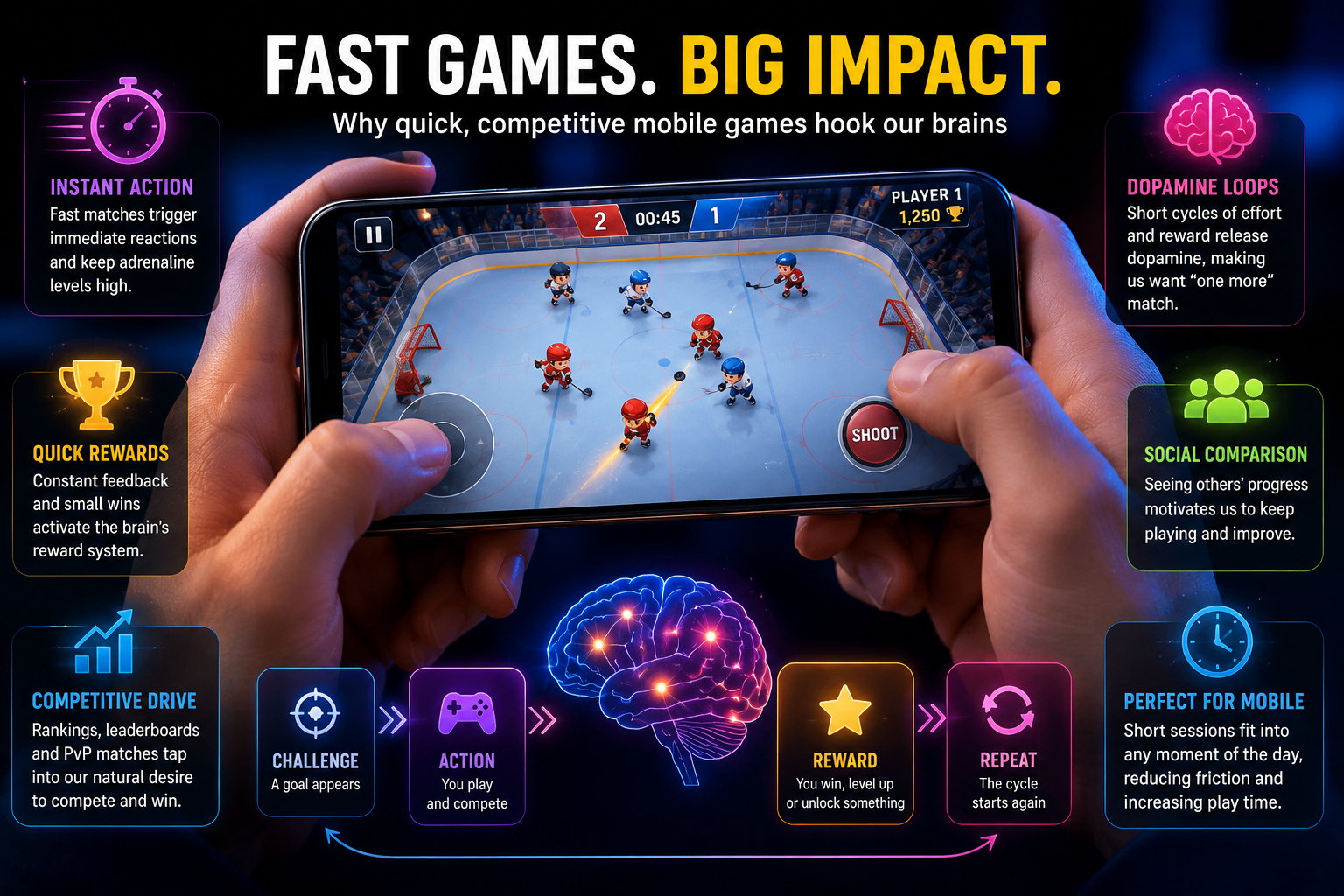
Fast competitive games — especially sports, racing, and PvP titles — have become some of the most addictive experiences on smartphones because they trigger immediate emotional reactions within seconds of gameplay.
Unlike slower console experiences, mobile competitive games are built around rapid psychological feedback loops that constantly push players toward “one more match.”
Speed Creates Emotional Intensity
The human brain reacts strongly to fast decision-making environments. Short reaction windows increase adrenaline, concentration, and emotional investment.
In competitive mobile games, players often experience excitement, frustration, reward, pressure, and satisfaction within just a few minutes.
This emotional compression is one reason short competitive games feel so engaging compared to slower gameplay formats.
Quick Rewards Keep The Brain Engaged
Mobile games rarely make players wait long for feedback. Goals, rewards, animations, sounds, rankings, and progression systems appear constantly during gameplay.
Every small achievement creates another psychological trigger:
- winning a match
- unlocking a reward
- ranking up
- scoring quickly
- beating another player
The faster these rewards appear, the stronger the engagement loop becomes.
Competition Feels More Personal On Mobile
Competitive mobile games often feel unusually personal because smartphones are highly individual devices. Players carry them everywhere, check them constantly, and interact with them throughout the day.
Because of this, competitive matches feel more immediate and emotionally connected than many traditional gaming experiences.
Losing a quick online match during a break at work or while commuting can feel surprisingly intense despite lasting only a few minutes.
| Game Element | Psychological Effect |
|---|---|
| Fast matches | Higher emotional stimulation |
| Instant rewards | Short dopamine cycles |
| Online rankings | Competitive motivation |
| Quick restarts | Encourages repeated play |
Short Sessions Reduce Mental Resistance
Long games often require commitment. Fast mobile games remove that psychological barrier.
Players tell themselves they will only play for a few minutes, which makes starting another session feel harmless. But repeated short sessions can easily turn into much longer engagement periods.
This “low commitment” effect plays a major role in the success of competitive mobile gaming.
Visual Stimulation Also Matters
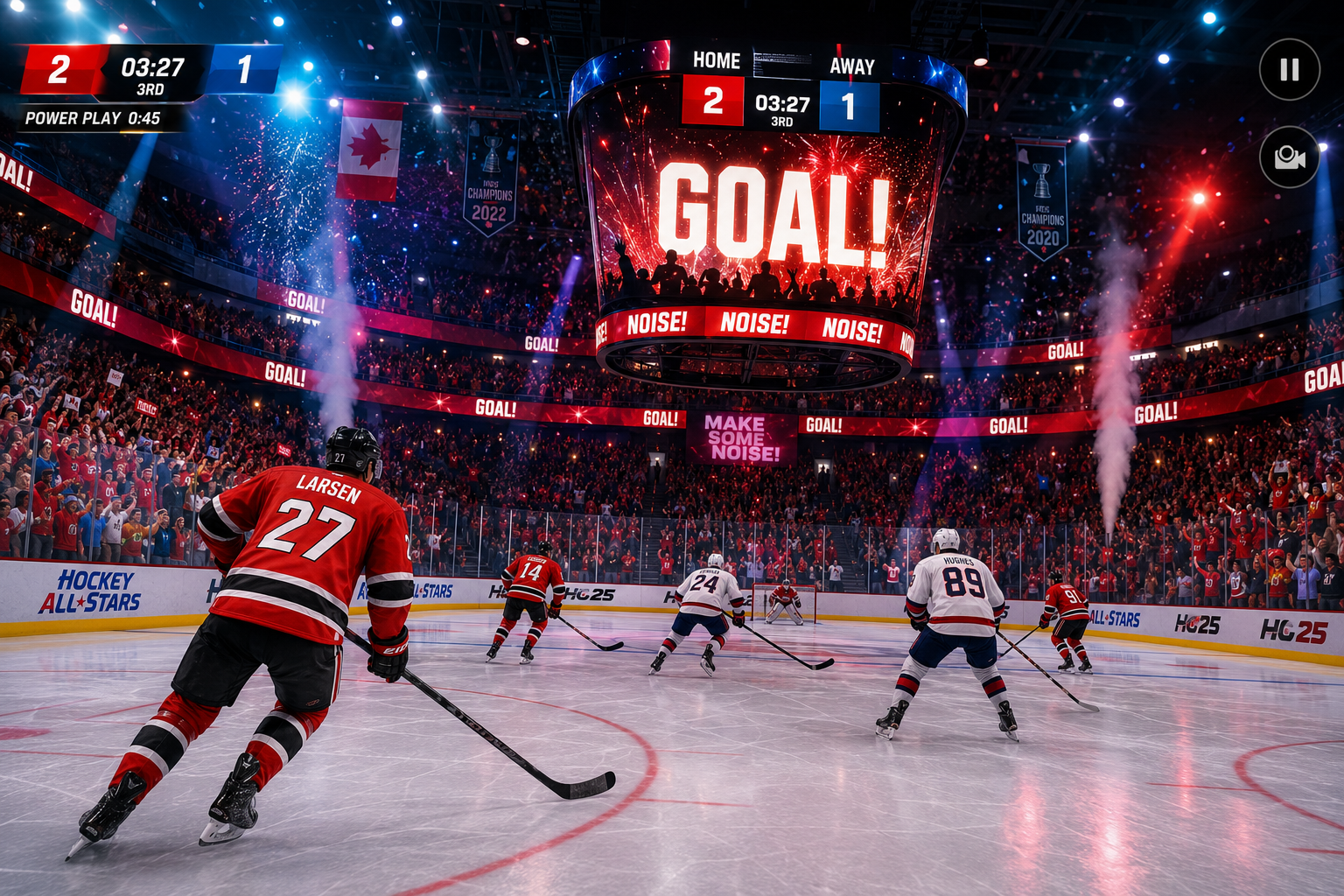
Fast animations, bright colors, movement effects, score popups, and rapid transitions all contribute to stronger stimulation during gameplay.
Many successful mobile games intentionally use highly exaggerated visual feedback because it increases emotional response and keeps players mentally active.
Mobile Competition Never Really Stops
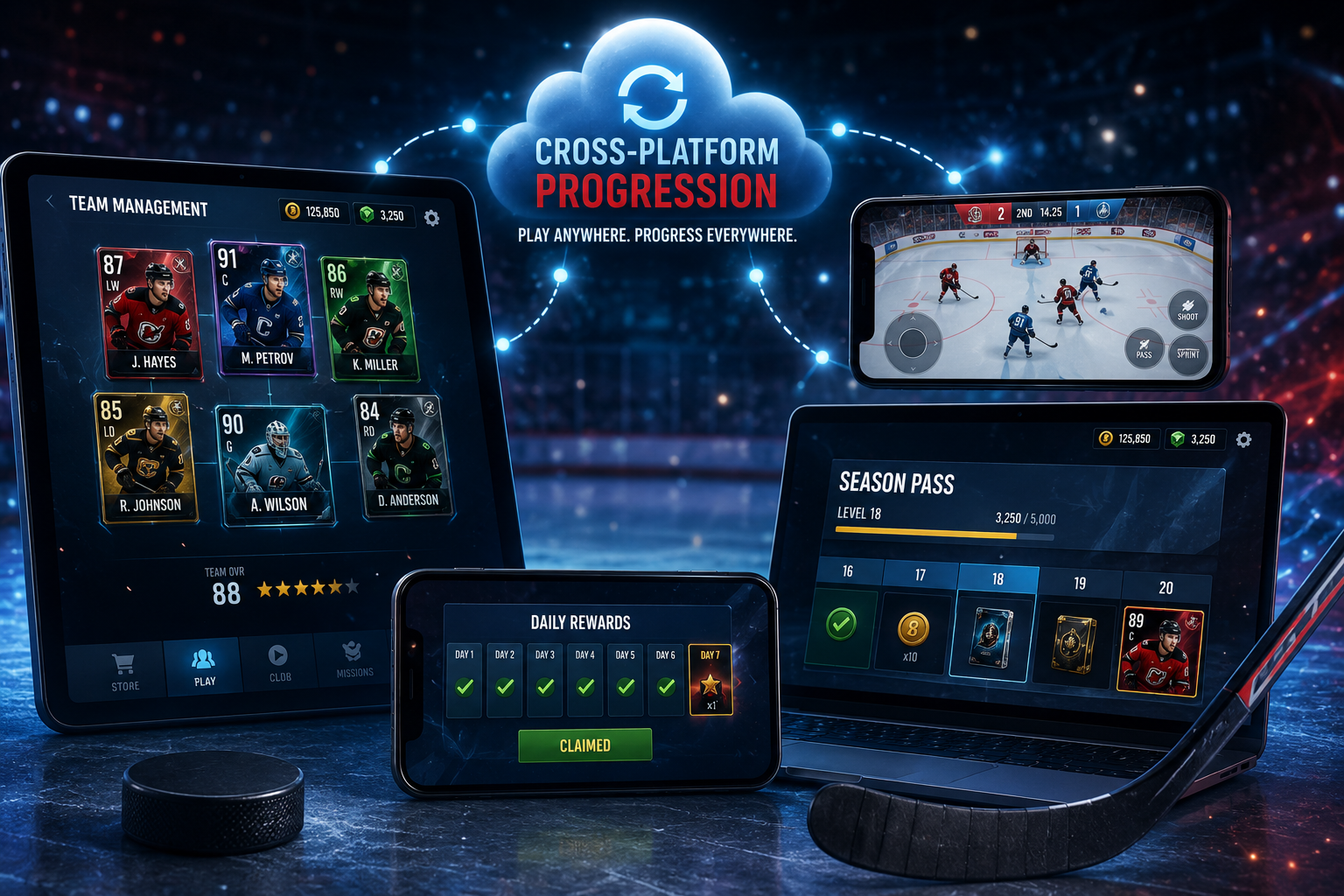
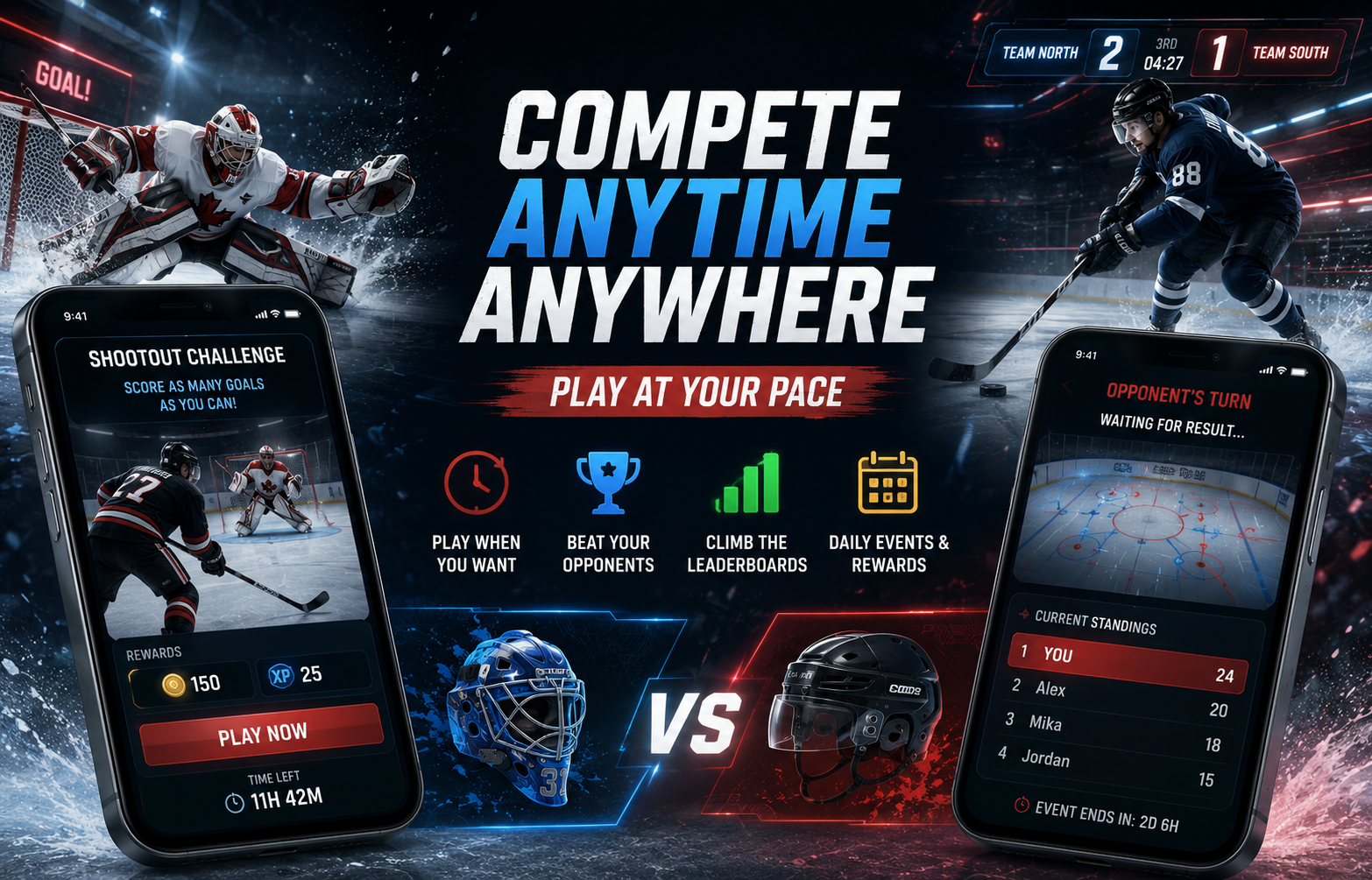
Unlike traditional gaming, mobile competition exists continuously throughout the day. Notifications, rankings, events, timers, and multiplayer systems constantly pull users back into the game.
Modern competitive mobile games are designed less like isolated entertainment products and more like ongoing digital environments.
Conclusion
Fast competitive mobile games perform so strongly because they combine psychological stimulation, rapid rewards, emotional intensity, and constant accessibility within extremely short gameplay loops.
The result is a gaming format perfectly optimized for modern smartphone behavior — quick, emotional, competitive, and difficult to put down.