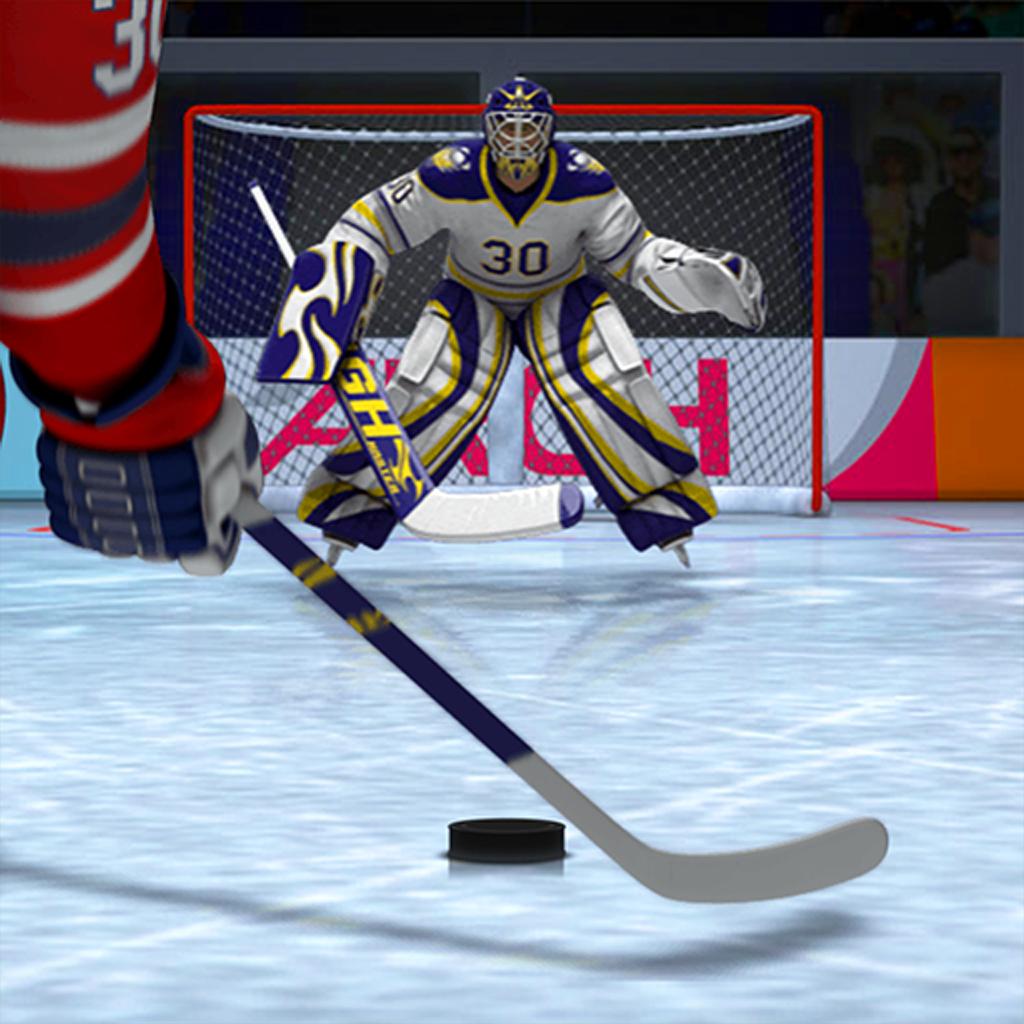
A hockey shot does not always end with a goal or a clean save. Some of the most important moments begin after the first contact, when the puck rebounds from a goalkeeper, changes direction off a defender, hits the boards or becomes loose in front of the net. Mobile hockey games are increasingly using these secondary movements to create matches that feel less scripted and demand more awareness from players.
For a long time, simplified hockey games treated shots as relatively direct events. The puck travelled toward the target, the goalkeeper either stopped it or conceded, and play quickly reset. Better rebound systems introduce another layer. A saved shot can create a second scoring chance, a blocked attempt can launch a counterattack, and a seemingly harmless dump into the corner can produce an unexpected battle for possession.
The first shot is no longer the whole attack
When rebound physics are limited, attacking play becomes predictable. Players learn which shooting angles are effective and repeat them because almost every attempt produces the same type of result.
A more dynamic system changes the value of the first shot. Players may intentionally shoot low to create a rebound rather than aiming directly for the corner of the net. A difficult angle can still be useful if the puck returns into a dangerous area.
This creates several possible outcomes from a single attempt:
- a clean goalkeeper save;
- a rebound into the slot;
- a deflection behind the net;
- a blocked shot toward the boards;
- a loose puck near the crease;
- a rebound toward a waiting teammate.
The attack therefore continues beyond the initial shooting animation.
Rebound direction changes decision-making
The most important element is not simply whether the puck rebounds, but where it goes. If every goalkeeper save pushes the puck to the same side, experienced players quickly memorize the pattern. Realistic variation forces them to read the situation instead. Shot speed, angle, goalkeeper positioning and the point of contact can all influence the resulting movement. A hard shot into the pads may behave differently from a high attempt caught partially by the glove or blocker.
A simplified model might look like this:
| Shot Situation | Possible Result |
|---|---|
| Low shot into pads | Rebound into nearby scoring area |
| High blocker-side shot | Deflection toward boards or corner |
| Shot through traffic | Unpredictable change of direction |
| Point shot hitting defender | Loose puck or redirected attempt |
| Sharp-angle shot | Rebound behind or across the crease |
The goal is not perfect simulation. What matters is producing enough variation that players need to react rather than memorize.
Loose pucks create new moments of competition
Many mobile sports games focus heavily on possession. One team controls the puck, then the other does. Rebounds create a third state where neither side has full control. That loose-puck phase can make matches much more interesting.
Players may need to switch quickly to the nearest skater, position a defender between the puck and the net or rush forward for a second attempt. These moments reward awareness and reaction speed because the game temporarily stops following a predictable possession pattern. For short mobile matches, even a few seconds of uncertainty can add considerable tension.
Deflections make defensive positioning more important
Defenders become more meaningful when the puck can actually interact with their position. In a highly simplified hockey game, standing between a shooter and goalkeeper may have limited effect unless the game explicitly triggers a block animation. Better puck physics allow bodies and sticks to influence the shot more naturally.
A defender can redirect an otherwise accurate attempt away from goal, but the same block can occasionally send the puck into a dangerous area. That creates an interesting defensive trade-off. Blocking the shooting lane remains useful, but every interaction can create a new situation rather than simply deleting the shot from play.
Board rebounds can make the whole rink useful
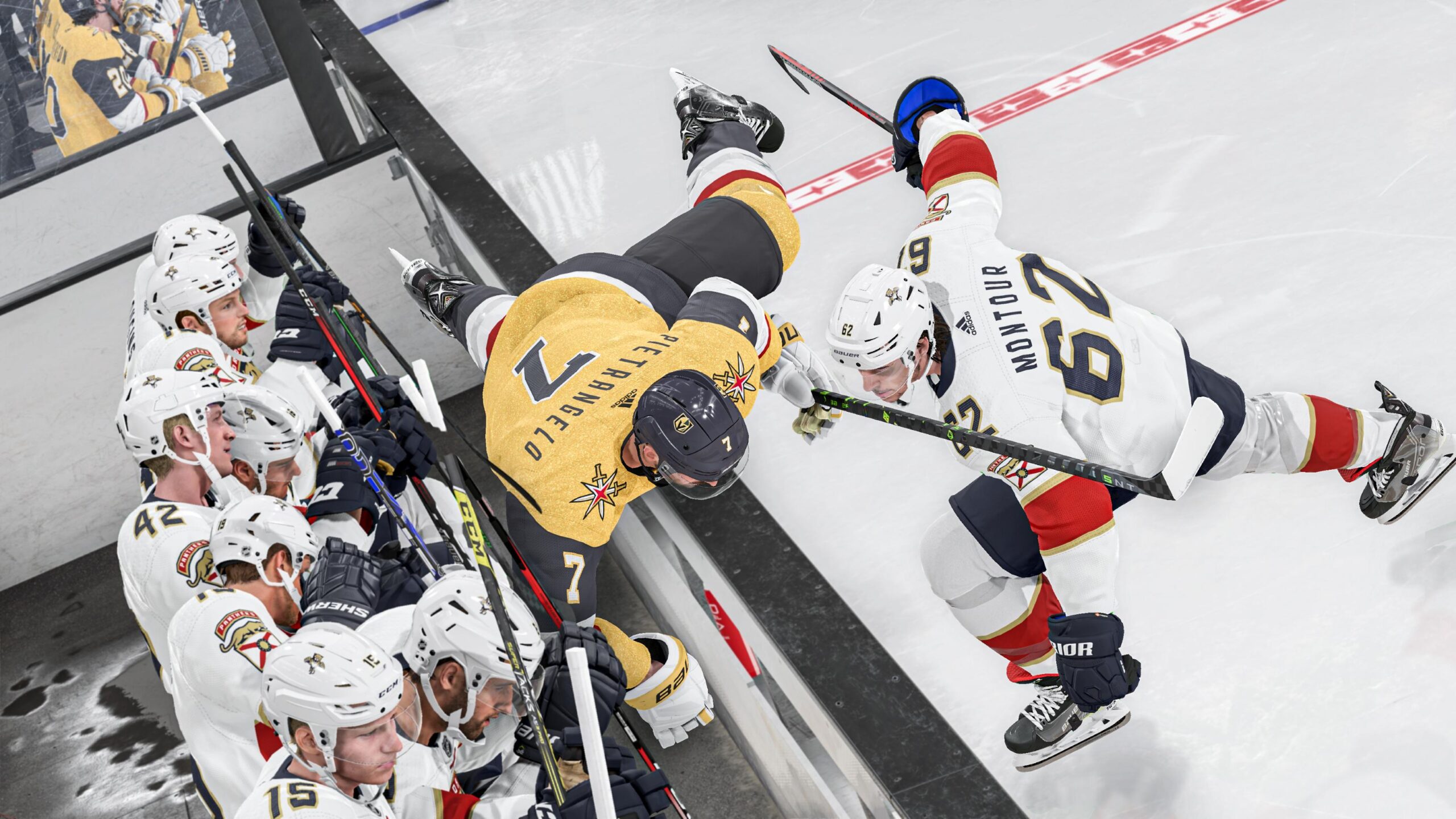
The boards are one of hockey’s defining environmental features, yet they are often treated as simple boundaries in mobile games. More advanced rebound behavior allows them to become part of offensive and defensive play. Players can send the puck around the boards, use angled rebounds to move possession into space or clear pressure without passing directly through opponents.
The angle matters. A puck sent straight into the boards should return differently from one travelling at a shallow angle. Even a simplified version of this behaviour can make the rink feel more physical because the environment becomes part of the play rather than just a wall around it.
Second-chance goals feel different from clean shots
A direct shot into the top corner creates one type of satisfaction. Scoring after a rebound creates another. Second-chance goals usually involve several actions happening quickly: the first attempt, the save, movement toward the loose puck and a follow-up shot before the defence recovers.
This sequence can feel less predetermined because the goal emerges from a changing situation. Mobile games benefit from these moments because they create excitement without requiring complex controls. A player does not need dozens of buttons to experience a scramble in front of the net. The depth comes from how the puck behaves and how quickly the player responds.
Rebound systems also affect goalkeeper design
Although rebound physics are separate from goalkeeper AI, the two systems naturally interact. A goalkeeper does more than stop shots. The quality of a save can influence what happens next. Strong positioning might send a shot toward a safer area, while a difficult reaction save could leave the puck directly in front of goal.
This creates an additional layer of goalkeeper performance beyond simple save percentage.
| Goalkeeper Action | Gameplay Effect |
|---|---|
| Clean catch | Ends immediate danger |
| Controlled deflection | Moves puck away from attackers |
| Pad save | May create a rebound |
| Emergency save | Higher chance of loose puck |
| Poor rebound control | Creates second scoring opportunity |
The distinction makes goalkeeping outcomes more varied without needing every save to look dramatically different.
Players need readable physics, not complete realism
Real hockey puck movement can be extremely chaotic. Translating every possible bounce into a mobile game would not necessarily improve the experience. Players still need to understand why something happened.
If the puck suddenly changes direction with no visible contact, the result feels random rather than realistic. Good mobile physics therefore exaggerate clarity. Deflections should have visible contact, hard rebounds should match the apparent force of the shot, and board angles should behave consistently enough that players can learn them. The best system sits between predictability and randomness. Players should understand the rules but not know the exact outcome of every interaction.
Better rebounds create more meaningful positioning
Once loose pucks become important, players begin thinking differently about where teammates stand. A forward positioned near the far post may be useful even without receiving a direct pass because a rebound could travel into that space. A defender may stay closer to the crease to clear loose pucks rather than immediately chasing the puck carrier.
This creates positional value away from the player currently controlling the puck. That is particularly useful for hockey because the sport depends heavily on movement without possession. Rebound systems give mobile games a relatively simple way to represent some of that depth.
Physics can create variety without adding new modes
Developers often increase replay value through new arenas, tournaments, challenges or progression systems. Better puck behavior offers another route. The same match can unfold differently because identical-looking shots do not always produce identical follow-up situations. One attempt may be caught cleanly, another may rebound into the corner, and another may create a scramble.
This variety comes from the core gameplay itself rather than an additional layer of content. For players, that means replayability can improve without constantly learning new systems. The basic objective remains familiar, but the path from possession to scoring becomes less repetitive.
Mobile performance still sets limits
Detailed physics calculations can increase processing demands, especially when several players, sticks, boards and the goalkeeper can all interact with the puck within a short sequence. Mobile games therefore need to choose where accuracy matters most.
Developers may use more detailed calculations near the goal while simplifying movement in less critical areas. Some collisions can rely on predetermined ranges rather than full physical simulation. The player rarely needs to know which method is being used. What matters is that rebounds feel believable and remain consistent across different devices.
Small physics changes can transform match flow
Rebound physics may look like a minor technical detail compared with matchmaking, team progression or sophisticated AI, but they influence a surprisingly large part of hockey gameplay. They affect shooting choices, defensive positioning, goalkeeper outcomes, board play and second-chance scoring. More importantly, they create moments where neither team can completely predict what will happen next.
That controlled uncertainty is valuable in mobile hockey games. Matches remain easy to understand, but individual possessions become harder to script in advance. A puck that does not always stop exactly where expected forces players to watch the play until the situation is truly finished. In a fast hockey game, that extra moment of attention can make the difference between repetitive gameplay and a match that continues producing new situations until the final whistle.