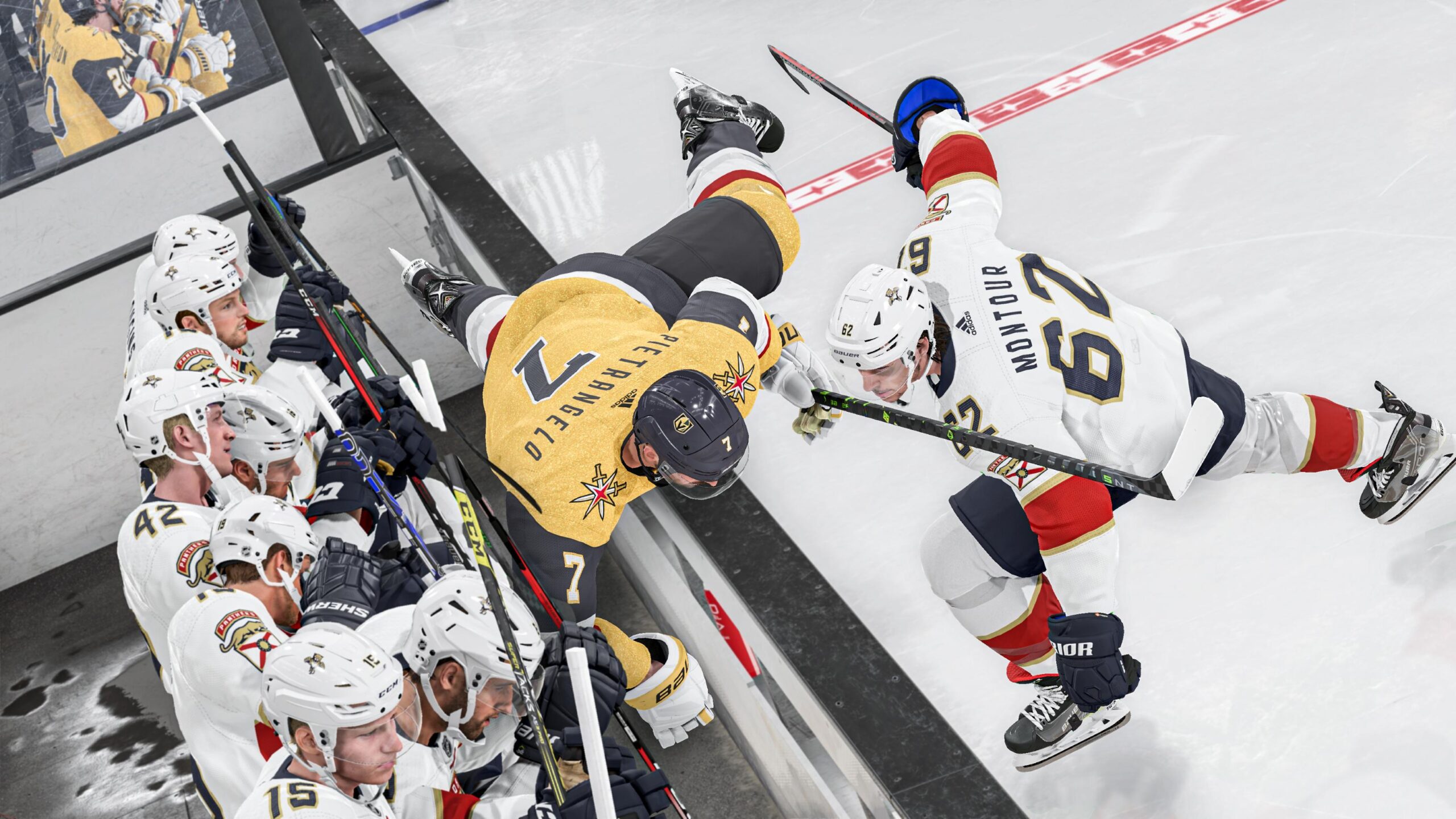
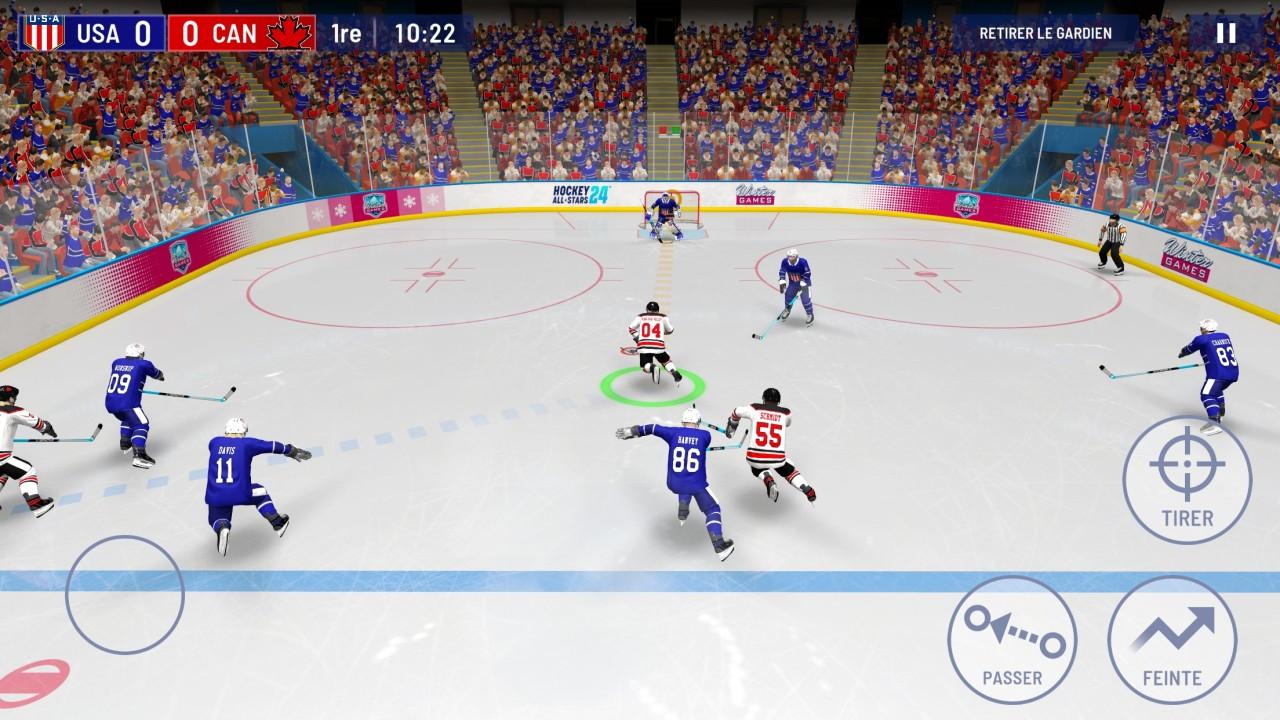
Mobile hockey games have spent years improving skating, passing, stick handling and goalkeeper behavior, but scoring is increasingly becoming the area where developers can add the most meaningful depth. Instead of treating every shot as a simple button press, newer systems are beginning to consider where the player is standing, how quickly the puck is moving, which side of the net is open and whether a defender is applying pressure. The result is a style of play where choosing the right shot can matter almost as much as executing it.
This change is especially important on smartphones because mobile controls have limited space. Developers cannot simply add several new buttons for wrist shots, slap shots, backhands and dekes without making the interface uncomfortable. A better solution is to make one shooting system react intelligently to context, allowing players to create different outcomes through positioning, timing and movement rather than through complicated controls.
Shot quality is becoming more important than shot quantity
Older arcade-style hockey games often rewarded constant shooting. Players could enter the offensive zone, press the shoot button repeatedly and eventually create enough rebounds to score. That approach is easy to understand, but it can make matches repetitive because there is little reason to think about where a shot comes from.
Modern mobile hockey design is moving toward shot quality instead. A clean attempt from the slot may be much more dangerous than a rushed shot from the boards, while a cross-ice pass can force the goalkeeper to move before the shot is taken. This gives players more reasons to build an attack rather than immediately firing the puck toward the net.
Several factors can influence an effective scoring chance:
- shooting angle and distance from the goal
- speed and direction of the attacking player
- defensive pressure around the shooter
- goalkeeper position before the release
- puck movement immediately before the shot
- whether the player shoots forehand or backhand
These variables allow a relatively simple mobile control scheme to produce much more varied attacking situations.
Context-sensitive shooting keeps controls manageable
One of the biggest challenges in mobile sports games is creating depth without filling the screen with controls. Hockey is particularly difficult because players may need to skate, accelerate, pass, check, switch players and shoot within a few seconds.
Context-sensitive shooting provides a practical compromise. A short tap might trigger a quick release near the goal, while holding the same control can generate a harder shot from distance. Directional input can influence placement, and the game can automatically adjust the animation depending on the player’s body position.
| Player situation | Possible shot behavior | Gameplay effect |
|---|---|---|
| Close to the net | Quick wrist shot | Reduces goalkeeper reaction time |
| Open at distance | Powerful slap shot | Creates stronger rebounds |
| Moving across goal | Controlled wrist shot | Opens new shooting angles |
| Under pressure | Fast release | Sacrifices accuracy for speed |
| Wrong body angle | Backhand attempt | Makes positioning more important |
This approach gives players meaningful control while keeping the interface suitable for smaller screens.
Goalkeepers become more interesting when shots have variety
Better shooting systems also make goalkeeper design more valuable. If most shots travel toward the same areas at similar speeds, even sophisticated goalkeeper AI eventually becomes predictable. When players can vary release speed, angle and placement, the goalkeeper has more situations to interpret.
A goalie may need to move aggressively toward the near post when an attacker approaches from the side, remain deeper when a pass option is available or react quickly after lateral puck movement. Players then begin reading goalkeeper positioning rather than simply searching for an open shooting lane.
This interaction creates a useful cycle. More varied shots make goalkeeper behavior more important, while better goalkeeper behavior encourages players to search for smarter scoring opportunities.
Passing can become part of the shooting system
Improved shot selection does not only affect the moment when the puck leaves the stick. It can also change how players move through the offensive zone. If passing creates noticeably better shooting opportunities, players have a reason to move the puck before attempting to score.
A direct shot from a poor angle may have a low chance of success, while a pass across the slot can pull defenders and the goalkeeper out of position. Even very short mobile matches can therefore develop a recognizable attacking rhythm: gain possession, create space, move the puck and then attack the opening.
This also helps reduce repetitive solo play. Instead of relying entirely on one highly rated player, users can benefit from understanding how different positions combine during an attack.
Timing adds a skill gap without making the game difficult to learn
Shot timing is another way to add skill without increasing the number of controls. A player who releases too early may shoot before reaching the best angle, while waiting too long gives defenders time to close the space. The decision lasts only a fraction of a second, but it can separate an experienced player from someone who simply presses shoot whenever possible.
The strongest systems usually balance several ideas at once:
- Players should understand why a shot succeeded or failed.
- Strong positions should provide an advantage without guaranteeing goals.
- Difficult shots should occasionally work so matches remain unpredictable.
- Shooting controls should stay responsive even when deeper calculations happen in the background.
- Better decision-making should matter more than repeatedly pressing the same button.
When these elements work together, scoring feels earned without becoming overly complicated.
Shot selection can make short matches feel deeper
Mobile hockey games often need to deliver complete matches in only a few minutes, so they cannot rely on the long tactical buildup seen in full-length simulations. Small decisions therefore need to carry more weight.
Shot selection is particularly effective because it influences every offensive possession. Players may attempt a quick shot, wait for a teammate, skate toward a better angle or deliberately shoot low to create a rebound. None of these decisions require a long match, but together they make each attack feel different.
The same system can also improve replay value. A scoring chance that worked once may fail against another goalkeeper or defensive setup, encouraging players to adapt instead of memorizing a single reliable move.
Mobile hockey is moving toward smarter scoring
The next stage of mobile hockey design is not simply about adding more shot animations. It is about connecting shooting to positioning, movement, defensive pressure and goalkeeper reactions. When those systems interact properly, scoring becomes a decision-making process rather than the final step of an attack.
For mobile games, that is a valuable direction because it creates greater tactical depth without demanding complicated controls. Players can still understand the basic idea immediately—move into space and shoot—but experienced users gradually learn which angles, passes and release timings produce better opportunities. That balance between accessibility and mastery is one of the strongest reasons shot selection is becoming a more important part of modern mobile hockey.