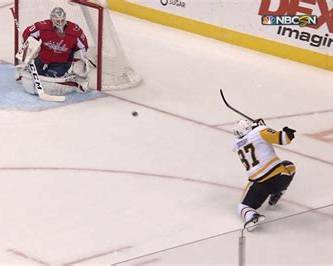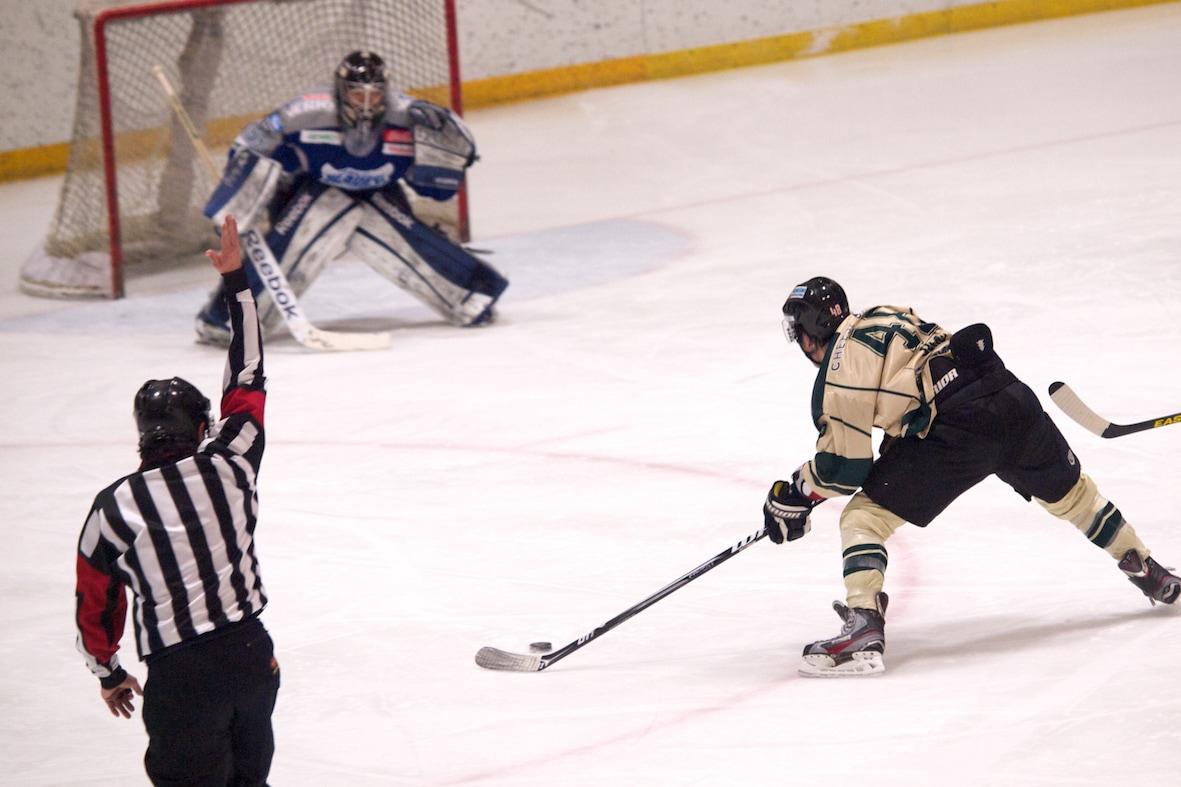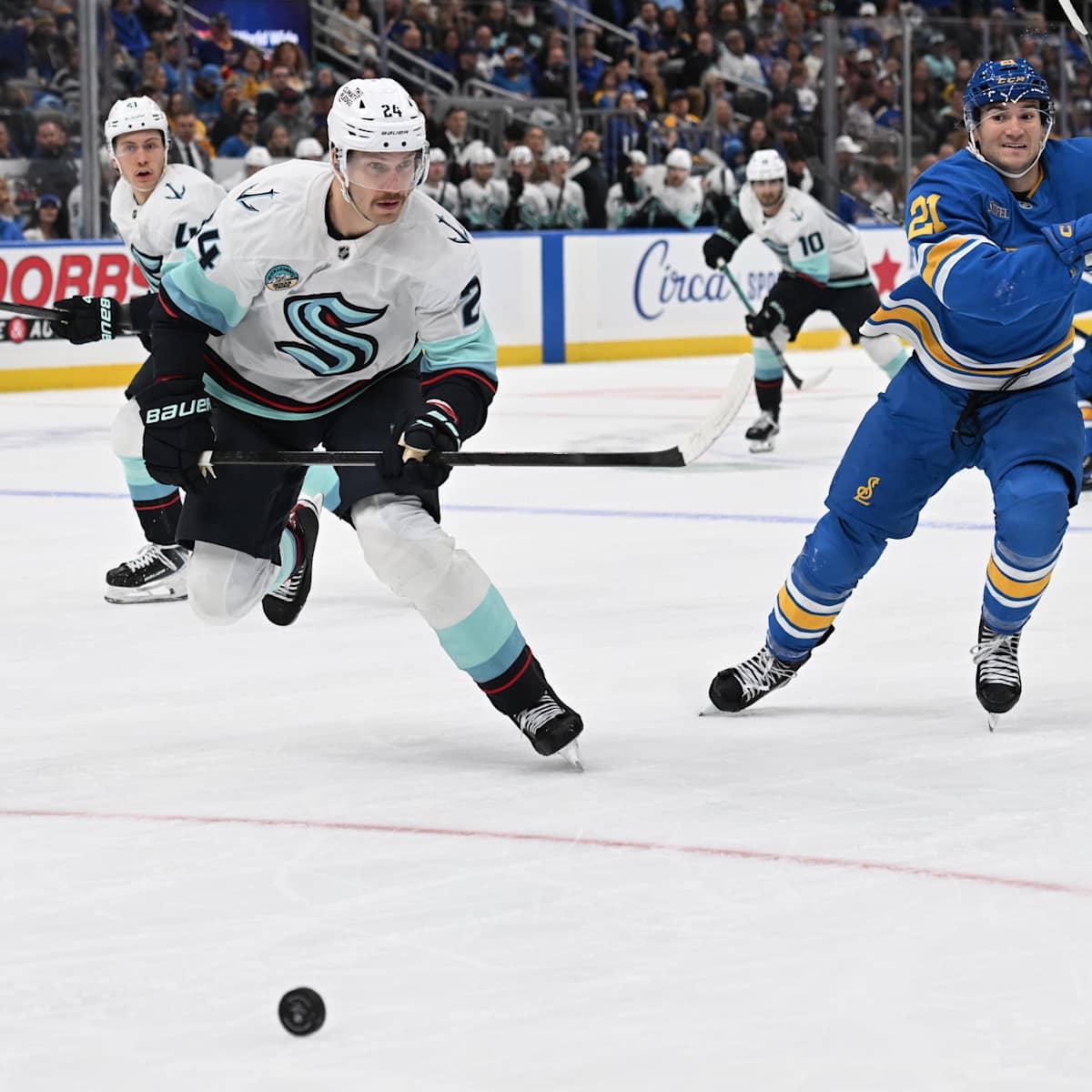
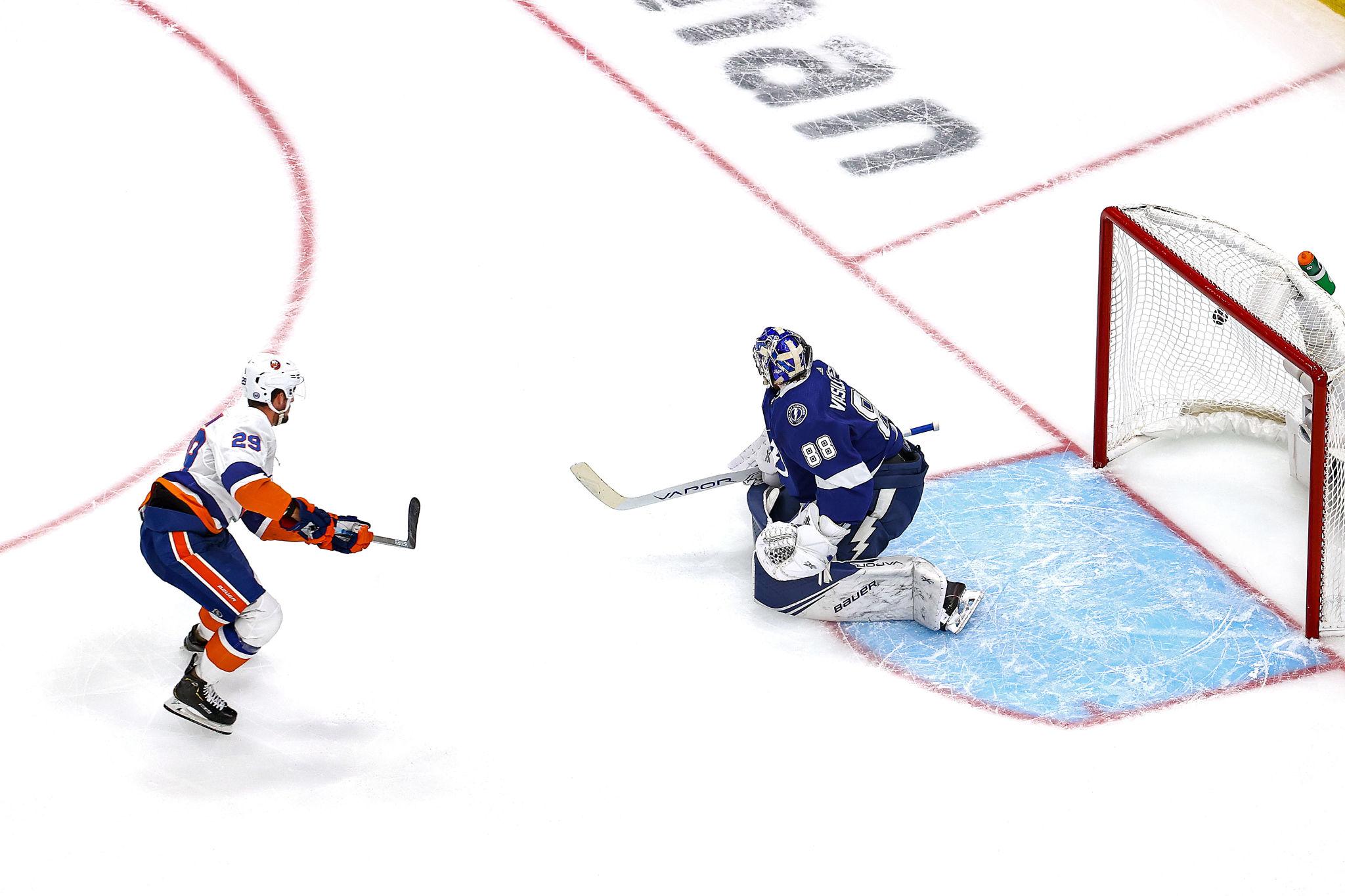
Most hockey attacks develop through several players. A team moves through the neutral zone, finds a passing lane and tries to create enough space for a shot. A breakaway removes almost all of that structure. For a few seconds, the game becomes a direct contest between one attacking player and the goalkeeper.
That simplicity is exactly what makes breakaways so important in mobile hockey games. They create immediate pressure without requiring a complicated tactical situation, yet they still depend on several systems working together. Skating speed, puck control, shooting, goalkeeper reactions and defensive recovery all influence whether a breakaway feels exciting or predictable.
What Makes a Breakaway Different From a Normal Attack?
A regular scoring opportunity usually gives the attacker several options. The puck carrier may pass to a teammate, move toward the boards, wait for support or shoot through traffic. Defenders can close passing lanes while the goalkeeper prepares for a shot that may come from several positions.
A breakaway removes most of those variables. Once an attacker gets behind the defense with open ice ahead, the primary decision becomes how to approach the goalkeeper.
This changes the rhythm of the match. The player has more space but also more responsibility because there may be no teammate available to rescue a poor decision. A badly timed shot or unnecessary movement can end an otherwise excellent opportunity within seconds.
For mobile games, that creates a useful combination of accessibility and depth. The situation is immediately understandable even to someone who does not know every hockey rule, while experienced players can still make different choices about speed, angle and timing.
Speed Creates the Opportunity but Does Not Finish It
Breakaways often begin with acceleration. A loose puck, interception or well-timed pass can send a forward beyond the last defender, making skating speed an important part of the situation.
However, maximum speed should not automatically produce the best result. A player moving too quickly may have less time to adjust the puck or react to the goalkeeper. Slowing slightly can create more control, but it also gives defenders an opportunity to recover.
That trade-off makes acceleration more interesting than a simple player rating. A mobile hockey game can use differences in skating ability to determine who reaches open ice first while still requiring the player to manage the final approach. Fast forwards gain an advantage, but the scoring chance remains dependent on what happens after they separate from the defense.
The Approach to Goal Should Create Decisions
The most interesting part of a breakaway often happens before the shot itself. The attacker has to decide how directly to approach the net and when to commit to a finishing move.
Skating straight toward the goalkeeper may preserve speed but reduce the shooting angle. Moving laterally can force the goalie to adjust position, although excessive movement can allow a trailing defender to catch up. A player may also choose between shooting early and carrying the puck closer to the crease.
These choices need to remain readable on a touchscreen. If a breakaway requires a long sequence of complicated gestures, the moment can become frustrating rather than tense. Good mobile controls therefore need to offer enough freedom for different approaches without making a one-on-one situation mechanically difficult for its own sake.
Goalkeepers Need More Than One Reaction
Breakaways quickly become repetitive if the goalkeeper behaves the same way every time. If the goalie always stays deep in the crease, players may learn that approaching closely is consistently effective. If the goalkeeper always moves aggressively toward the puck carrier, an early deke can become an equally predictable solution.
More varied behavior creates uncertainty. A goalkeeper might hold position against one approach, move forward against another or react differently depending on the attacker’s angle and speed. The important point is not randomness alone. Reactions should still appear connected to what the attacker is doing. This allows players to read the goalkeeper rather than memorize one guaranteed scoring method.
Shooting Too Early Should Carry a Cost
Open ice can make a breakaway look easier than it really is. A player sees only the goalkeeper ahead and may immediately attempt a shot. An early shot has advantages. It reduces the chance that a recovering defender reaches the puck carrier and may catch the goalkeeper before they are fully positioned. At the same time, shooting from farther away gives the goalie more time to react and usually leaves the attacker with fewer ways to change the angle.
Waiting creates the opposite trade-off. The attacker gets closer and may gain a better opportunity to move the goalkeeper, but the available time and space continue shrinking. That relationship between distance and pressure can make breakaways feel different even when they begin from similar positions.
Defenders Should Still Matter After They Are Beaten
A breakaway does not necessarily mean the defensive play is over. A defender who has been passed may still be close enough to recover. This adds a second source of pressure behind the attacker. The player is not only watching the goalkeeper but also deciding how much time remains before defensive support arrives.
| Situation | Attacker’s main concern |
|---|---|
| Large gap to defenders | Reading the goalkeeper |
| Defender recovering quickly | Finishing before pressure arrives |
| Puck slightly ahead | Regaining full control |
| Approach from an angle | Improving the shooting lane |
| Goalkeeper moves forward | Choosing whether to shoot or change direction |
The balance is important. If defenders recover unrealistically quickly, a clean breakaway loses its value. If they immediately stop participating once beaten, the sequence can feel disconnected from the rest of the match. Recovery should preserve pressure without erasing the advantage the attacker already created.
Puck Control Becomes More Visible in Open Ice
During crowded attacks, small puck-control movements can be difficult to notice because several players are competing for space. A breakaway isolates the puck carrier and makes those movements much easier to read.
The relationship between skating and puck handling therefore becomes especially important. Carrying the puck at full speed should look and feel different from slowing down before a finishing move. A sharp change of direction should also require enough control that it cannot be repeated without consequence.
This does not mean mobile games need highly complex stick-handling controls. Even relatively simple input can create meaningful differences if speed, direction and puck position affect what the player can do next. The breakaway becomes a useful test of whether skating and puck control actually interact or merely operate as separate animations.
Camera Behavior Can Change the Pressure of the Moment
Breakaways also create an unusual presentation problem. Most of the rink suddenly becomes less important because attention shifts toward the attacker and goalkeeper.
A camera that remains too wide can make the confrontation feel small. Moving too close, however, may hide a recovering defender or make it difficult to judge distance from the net.
Subtle camera adjustment can help emphasize the situation without changing the basic controls. The view might tighten slightly as the attacker reaches the offensive zone while still keeping enough ice visible to judge position and defensive pressure.
The transition should remain smooth. A dramatic camera change that happens every time a player gets behind the defense may look impressive initially but can become distracting during repeated matches.
Breakaways Should Be Dangerous, Not Automatic
One of the hardest balance questions is how often a breakaway should become a goal. If one-on-one situations are almost impossible to score from, successfully getting behind the defense stops feeling rewarding. If they result in goals nearly every time, players may focus on creating the same situation repeatedly rather than developing different attacks.
The strongest design sits somewhere between those extremes. A breakaway should clearly feel more dangerous than an ordinary low-quality shot, but the outcome should still depend on execution. Approach angle, timing, puck control, goalkeeper behavior and defensive recovery can all contribute without making the sequence unnecessarily complicated. This keeps the opportunity valuable while preserving uncertainty.
Not Every Breakaway Needs to Look the Same
Variety can also come from where the opportunity begins. An attacker receiving a long pass through the middle has a different path to goal from a winger collecting a loose puck near the boards. One player may enter the offensive zone with a large gap behind them, while another has a defender only a few strides away.
The puck itself can change the situation. A clean pass allows immediate control, whereas a bouncing or slightly overhit puck may force the attacker to spend valuable time settling it before approaching the net.
These small differences stop breakaways from becoming a repeated scripted sequence. The core situation remains recognizable, but players have to adjust to the way it develops.
One-on-One Moments Reward Several Skills at Once
Breakaways are useful because they bring several hockey mechanics together in a very short period. The opportunity may begin with positioning or anticipation, continue through acceleration and puck control, and end with a decision about shooting or changing direction. Meanwhile, goalkeeper behavior and defensive recovery create pressure from both ends of the play.
Few other situations isolate these systems so clearly. That also makes breakaways revealing from a game-design perspective. If skating feels unresponsive, puck control is too simple or goalkeeper reactions are predictable, those weaknesses become especially obvious when only two players occupy the most important part of the screen. When the systems work together, the same simplicity becomes a strength.
A Few Seconds Can Become the Most Memorable Part of a Match
Mobile hockey games often need to create excitement within relatively short sessions. Breakaways are naturally suited to that format because they compress anticipation, decision-making and resolution into a few seconds.
The player immediately understands what is at stake. Open ice appears, the goalkeeper becomes the final obstacle and every additional moment reduces the available options.
The best implementations do not need elaborate controls or cinematic sequences to make that situation work. They need responsive skating, understandable puck movement, believable goalkeeper behavior and enough defensive pressure to make timing matter. When those elements align, a breakaway becomes more than a clear path to goal. It becomes a short one-on-one problem that can change the match with a single decision.