A timeout lasts only a short time in hockey, but the decision to use one can affect everything that happens during the final minutes of a close game. A team that has just conceded twice may need to settle down, while a coach preparing for one last offensive push can use the break to rest key players and organize the next shift. Hockey games have often treated these pauses as minor menu options, yet newer AI and strategy systems are beginning to make them a more meaningful part of gameplay.
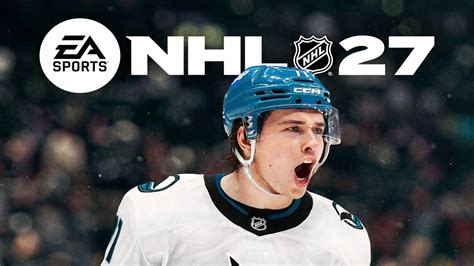
NHL 27 provides a recent example. EA’s new Contextual Strategy Shifts allow AI-controlled teams to change tactics according to the score, time remaining and momentum of the game. As part of that system, AI coaches can call timeouts to restore stamina after consecutive goals or before a final late-game push. Although a mobile hockey title needs simpler controls than a console simulation, the same idea can work particularly well on a phone: one carefully timed decision can add strategy without requiring a complicated interface.
A Timeout Can Be More Than a Pause Button
In a simple hockey game, stopping play may have little purpose beyond opening a menu. Once player stamina, line usage and situational tactics become more detailed, however, a timeout can become a resource that the player has to manage.
The important difference is scarcity. If a player could stop the game repeatedly and restore the entire team whenever energy dropped, the mechanic would remove much of the challenge. When the timeout is limited, using it early means it will not be available during a more important situation later.
That creates a decision before the button is even pressed. Is a tired first line worth refreshing now, or should the timeout be saved in case the team trails with one minute remaining? A simple choice like this can add strategic depth without slowing down the rest of a mobile match.
Stamina Gives the Timeout a Clear Gameplay Purpose
Player energy is one of the easiest ways to make timeouts understandable. Hockey is played in short, intense shifts, and tired players should not be able to perform exactly like fresh ones throughout an entire game.
A mobile title does not need an extremely detailed fatigue simulation to represent this. A small stamina system can influence skating speed, defensive recovery, shooting accuracy or the ability to pressure opponents. When an important line has stayed on the ice too long, the player then has to decide whether to change lines normally or spend the timeout to get additional recovery.
| Situation | Possible reason for a timeout | Potential benefit |
|---|---|---|
| Top line is exhausted | Restore key players | Stronger next shift |
| Two quick goals conceded | Interrupt opponent pressure | Reset defensive approach |
| Final minute while trailing | Prepare strongest attackers | Better offensive push |
| Important defensive faceoff | Rest defensive specialists | Stronger coverage |
| Goalie about to be pulled | Organize extra attacker setup | Cleaner final attack |
| Overtime pressure | Refresh preferred unit | More reliable execution |
EA is using a similar connection between strategy and stamina in NHL 27. Its AI coaches can call timeouts specifically to restore the top line after back-to-back goals or before a late push, making fatigue part of the tactical decision rather than merely a background statistic.
Momentum Can Change the Timing
Momentum does not need to exist as a hidden numerical boost for players to feel it. Two goals scored within a short period naturally change how a match feels, particularly when one team suddenly begins spending most of its time in the attacking zone.
A timeout can interrupt that rhythm. Instead of allowing the next faceoff to happen immediately, the game creates a short strategic break in which the defending player can reconsider line choice or formation. The effect can be psychological for the human player as much as mechanical for the virtual athletes.
This is particularly useful in short mobile matches. Because a mobile hockey game may compress a full contest into only a few minutes, two quick goals can represent a huge swing. Giving the trailing side one limited opportunity to regroup can prevent the match from feeling decided simply because of a short sequence of mistakes.
Late-Game Hockey Is Where Timeouts Become Most Interesting
The final minutes create the strongest reason to save a timeout. A team protecting a lead behaves differently from one chasing an equalizer, and NHL 27 now models this distinction through contextual strategies. Trailing AI teams can increase pressure, shorten the bench and send more pucks toward the net, while teams protecting a lead can fall into a tighter defensive structure.
A timeout fits naturally into that system because it creates a point at which the player can commit to a late-game plan. When trailing, that might mean refreshing the best scorers and preparing to pull the goalie. When leading, the player might instead rest defensive specialists before an important faceoff.
The interesting part is that neither option is automatically correct. Saving a timeout for the final minute sounds sensible, but a game can be lost earlier if exhausted players concede another goal. Strategy comes from choosing when the potential benefit is greatest.
Timeouts Can Work With Line Management
Line changes already create a natural rhythm in hockey. Players enter the ice, spend energy and return to the bench while another unit takes over. A timeout should complement that system rather than replace it.
For example, a player who manages lines carefully throughout the game may reach the final minutes with several usable combinations. Someone who repeatedly relies on the strongest unit could arrive at the same moment with top players badly fatigued. The timeout becomes more valuable to the second player, but that value is partly the result of earlier decisions.
This connection is useful because it gives several mechanics a reason to interact. Stamina affects line choice, line choice affects late-game options, and the remaining timeout can change which unit is available for the most important shift.
Mobile Controls Should Keep the Mechanic Simple
A strategic feature does not need a complicated screen. On mobile, forcing the player through several menus during a timeout could break the pace of the match. A cleaner approach would show a compact panel with only the most relevant choices. The player could see current line stamina, choose an offensive or defensive setup and confirm the next unit. More advanced titles might offer one or two situational instructions, but the entire interaction should take only a few seconds.
The goal is to create a meaningful decision without turning a short hockey game into a management simulator. A good mobile timeout interface could therefore focus on three pieces of information:
- which players are tired;
- what the current game situation requires;
- which line or strategy will be used next.
Everything else can remain automated or accessible elsewhere.
AI Needs to Understand When a Timeout Matters
Timeouts become much less convincing if computer-controlled teams use them randomly. Calling one while comfortably leading early in a match would feel artificial, while refusing to use it during a desperate final push would make the AI appear unaware of the game situation.
This is why contextual AI matters. NHL 27’s broader strategy system now evaluates score, time and game momentum, allowing opponents to behave differently when chasing a game or defending a lead. EA also says its Cohesive AI is designed to make teammates and opponents operate more like coordinated five-player units rather than independent skaters following isolated tendencies.
The first major NHL 27 update continued tuning that behaviour, including a change that encourages CPU forwards to maintain possession when space is available instead of dumping the puck unnecessarily. That kind of situational logic is important for timeouts too: the computer should recognize why the pause is useful, not simply activate it because a timer says so.
The Player Needs Feedback After the Timeout
A strategic decision feels weak if the player cannot tell whether it had an effect. After a timeout, the game should communicate what changed. The most obvious feedback is stamina. Energy bars can recover enough to make the benefit immediately visible. The next line may also skate onto the ice with a different tactical setup, giving the player another clear indication that the timeout was not simply a short interruption.
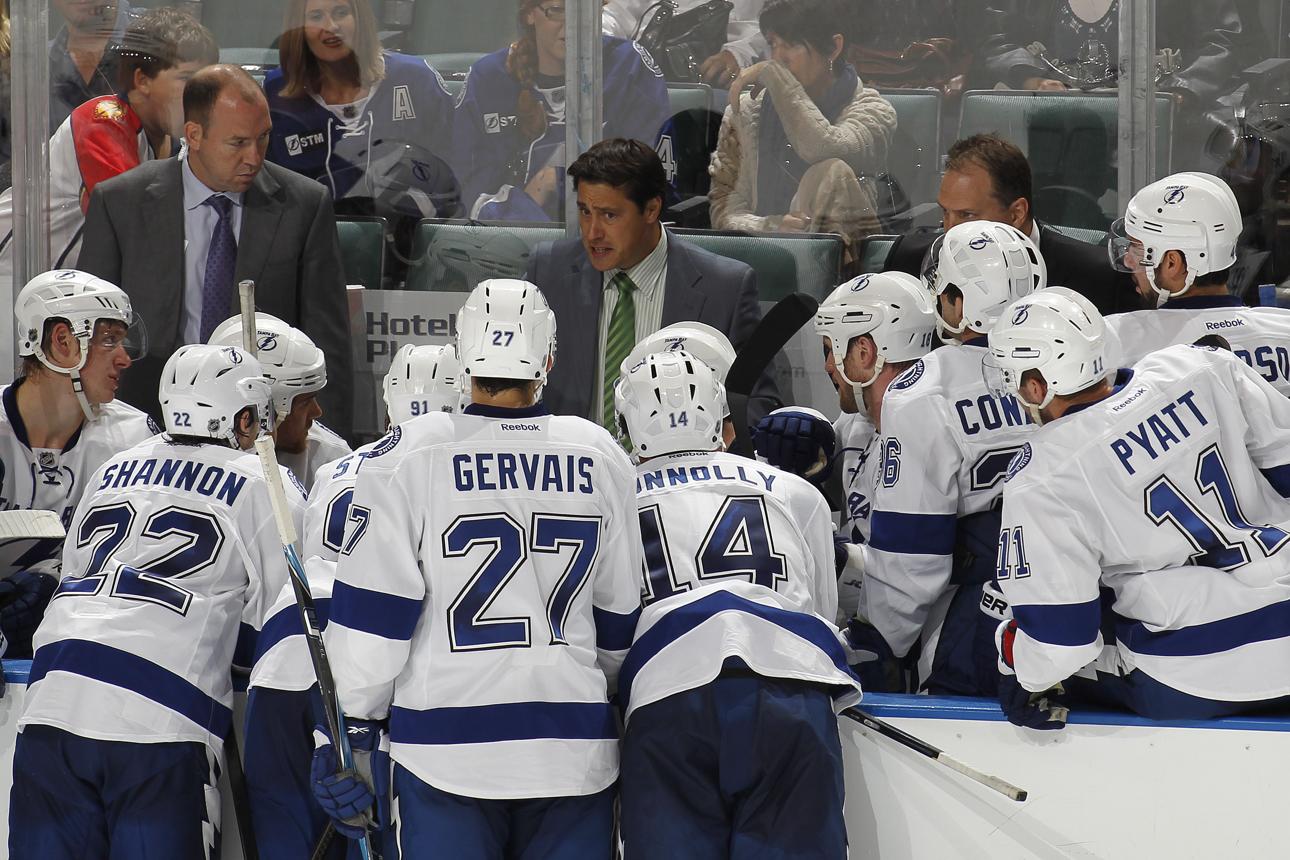
Games can reinforce the moment visually without making it lengthy. A brief bench animation, players gathering around the coach or a quick tactical overlay can communicate that something important is happening before returning to the faceoff. The sequence only needs a few seconds, especially on mobile.
One Timeout Can Create Several Decisions
The strongest argument for adding meaningful timeouts is efficiency. Developers do not need a large new game mode, complex control scheme or dozens of additional animations to create another layer of strategy. One limited resource can influence stamina, line management, momentum and late-game tactics simultaneously.
Its value also changes naturally from match to match. A comfortable win may never require a timeout, while a close game can make the same option extremely important. That variation helps the mechanic feel situational rather than mandatory.
A well-designed timeout system could therefore follow a few basic principles:
| Design choice | Why it matters |
|---|---|
| Limited availability | Forces the player to choose the right moment |
| Partial stamina recovery | Creates a clear mechanical benefit |
| Situational AI usage | Makes computer teams behave intelligently |
| Simple tactical options | Keeps mobile matches moving |
| Clear visual feedback | Shows why the decision mattered |
| Late-game interaction | Connects timeout with score and clock |
None of these systems needs to be complicated individually. Their value comes from working together.
Small Decisions Can Make Hockey Games Feel Smarter
Mobile hockey games often face a difficult balance. Players want matches that are quick enough for a phone but still contain enough strategy to prevent every game from feeling identical. Adding more buttons or longer menus is not always the best solution. Timeouts offer another approach. The control itself can remain simple while the decision behind it depends on stamina, score, momentum, line selection and the time remaining. That gives experienced players something to think about without making the basic game harder to understand.
NHL 27’s move toward contextual strategy and AI-controlled timeouts shows how modern hockey games are paying more attention to these situational decisions. Mobile titles do not need to copy the entire console system, but the underlying principle transfers well: hockey becomes more convincing when teams react to what is happening in the game rather than following the same plan from the opening faceoff to the final horn. A timeout may last only a few seconds. Used at the right moment, however, it can make those few seconds one of the most important decisions of the match.