-
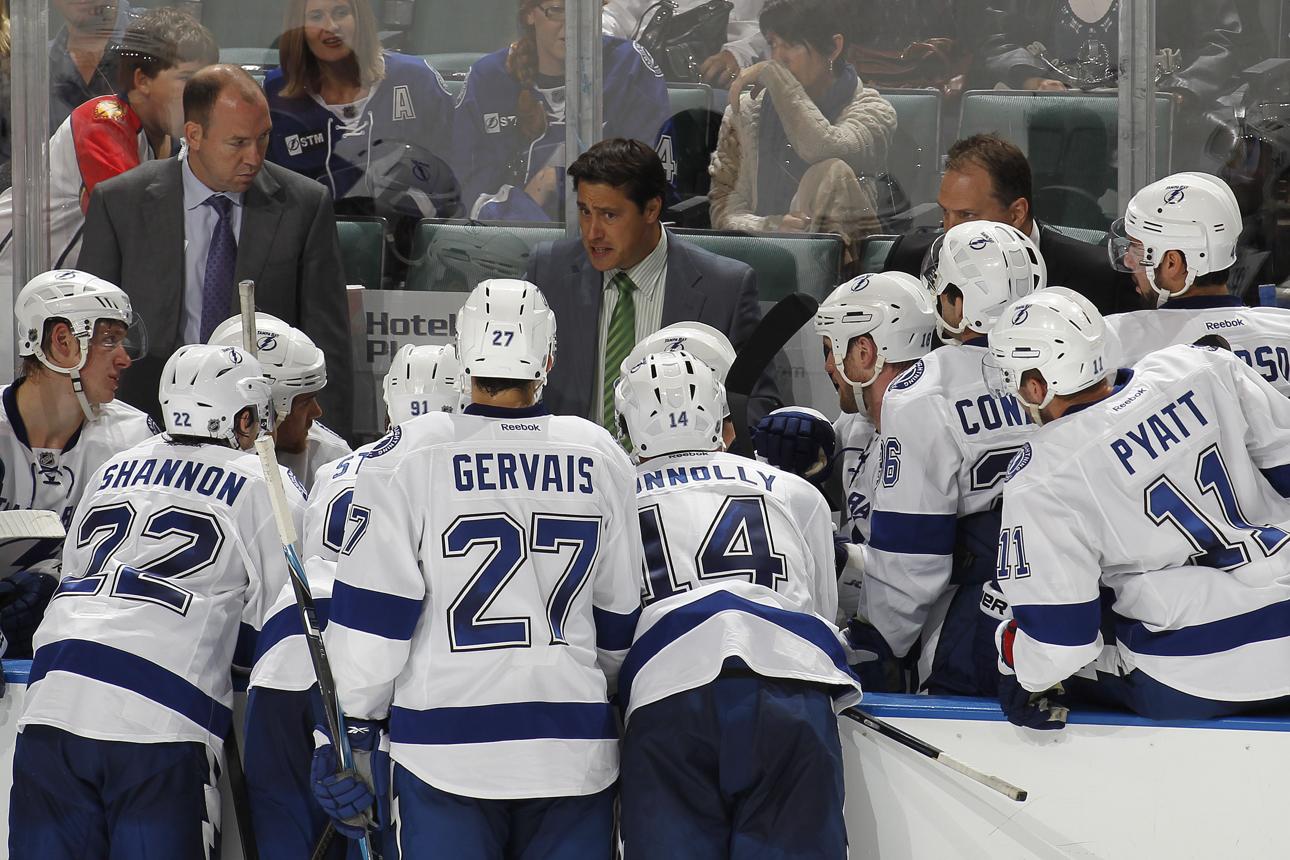
Why Timeouts Matter in Mobile Hockey Games
A timeout lasts only a short time in hockey, but the decision to use one can affect everything that happens during the final minutes of a close game. A team that has just conceded twice may need to settle down, while a coach preparing for one last offensive push can use the break to rest…
-
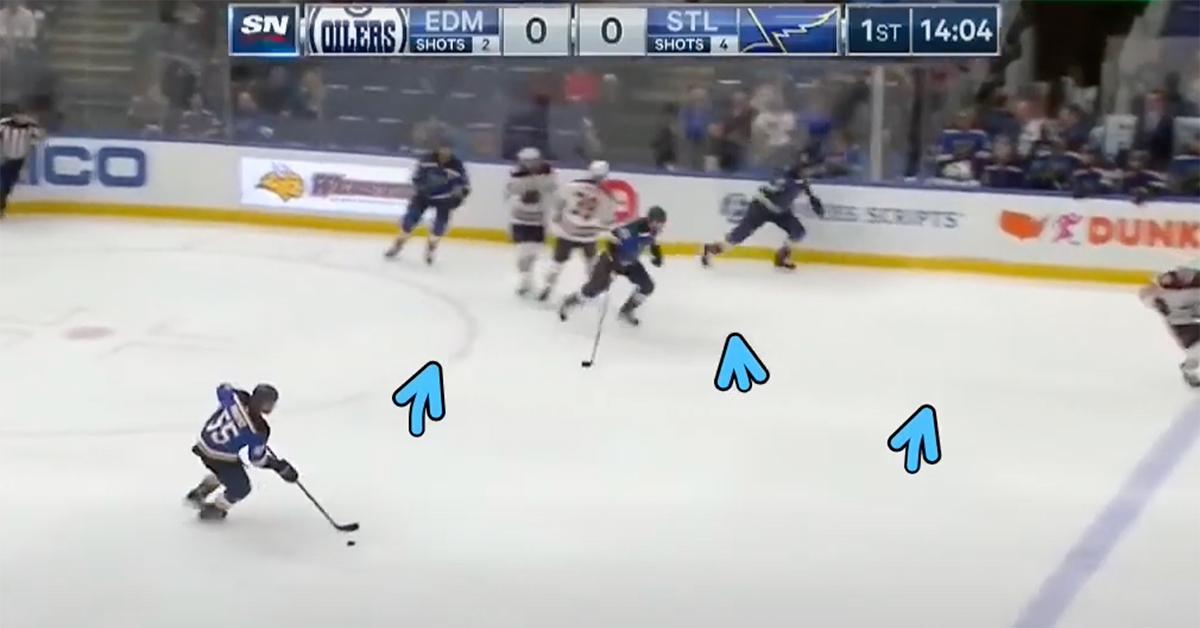
Why Dump-and-Chase Matters in Mobile Hockey Games
Carrying the puck across the blue line is not always the safest way to enter the attacking zone. When defenders are positioned well and there is little open ice ahead, a hockey team can send the puck deep into the zone and immediately chase it instead. The move may look like giving up possession, but…
-
Why One-Timers Matter in Mobile Hockey Games
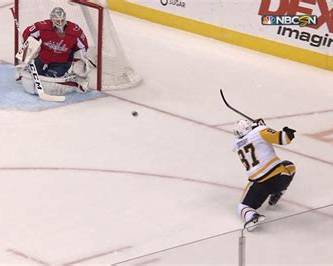
Some hockey shots begin with several touches. A player receives the puck, settles it, adjusts position and then releases the shot. A one-timer removes most of that preparation. The puck arrives from a teammate and is struck almost immediately, turning the pass and shot into one continuous attacking move. That makes one-timers particularly interesting in…
-
Why Breakaways Matter in Mobile Hockey Games
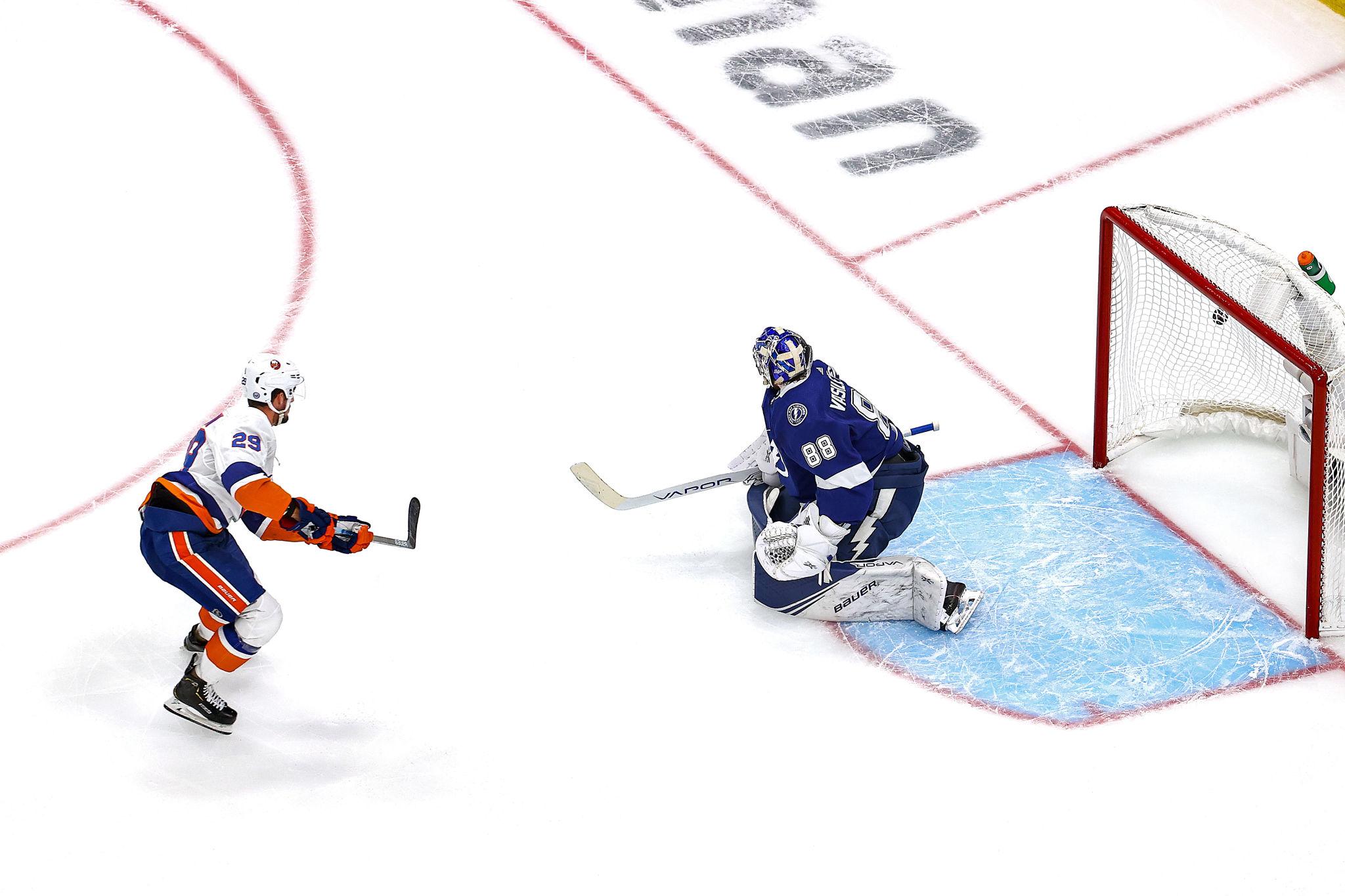
Most hockey attacks develop through several players. A team moves through the neutral zone, finds a passing lane and tries to create enough space for a shot. A breakaway removes almost all of that structure. For a few seconds, the game becomes a direct contest between one attacking player and the goalkeeper. That simplicity is…
-
Why Delayed Penalties Matter in Mobile Hockey Games
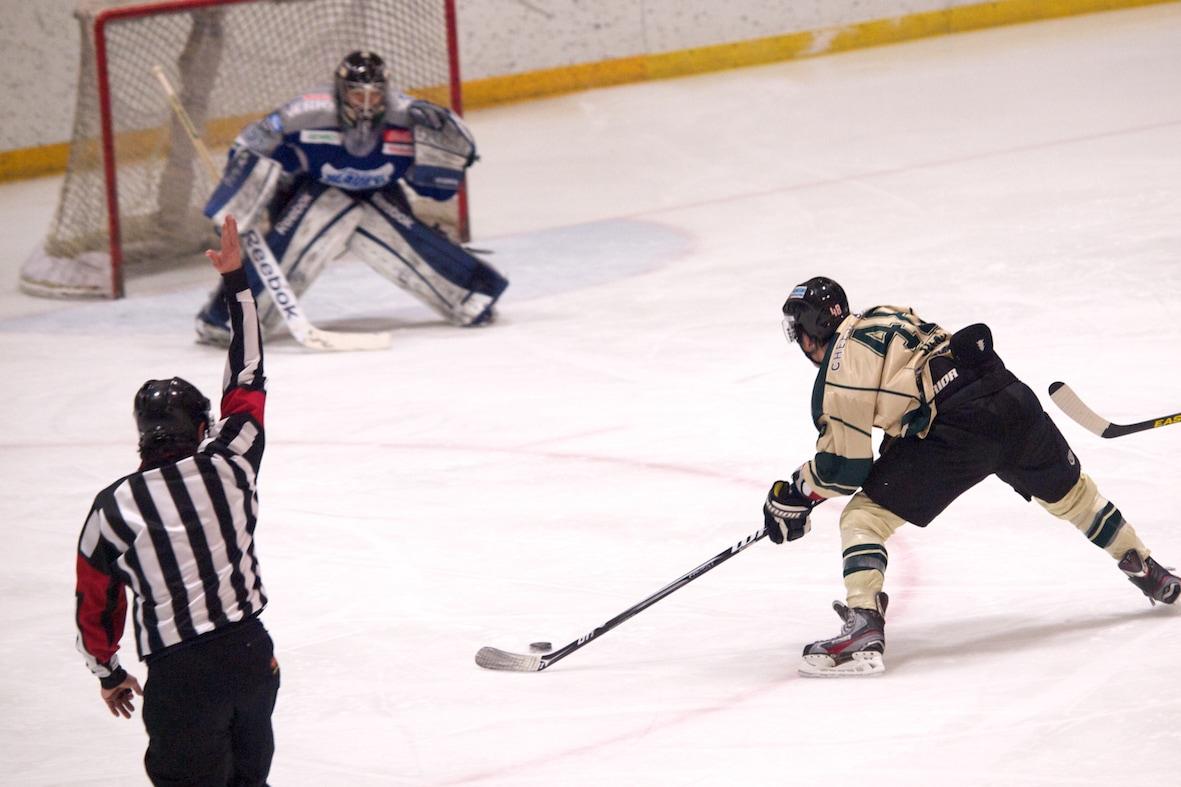
A penalty in hockey does not always stop play immediately. When a player commits an infraction but the opposing team still controls the puck, the referee can signal a delayed penalty and allow the possession to continue. The whistle comes when the offending team gains control, which creates a short period where maintaining the puck…
-
Why Icing Matters in Mobile Hockey Games
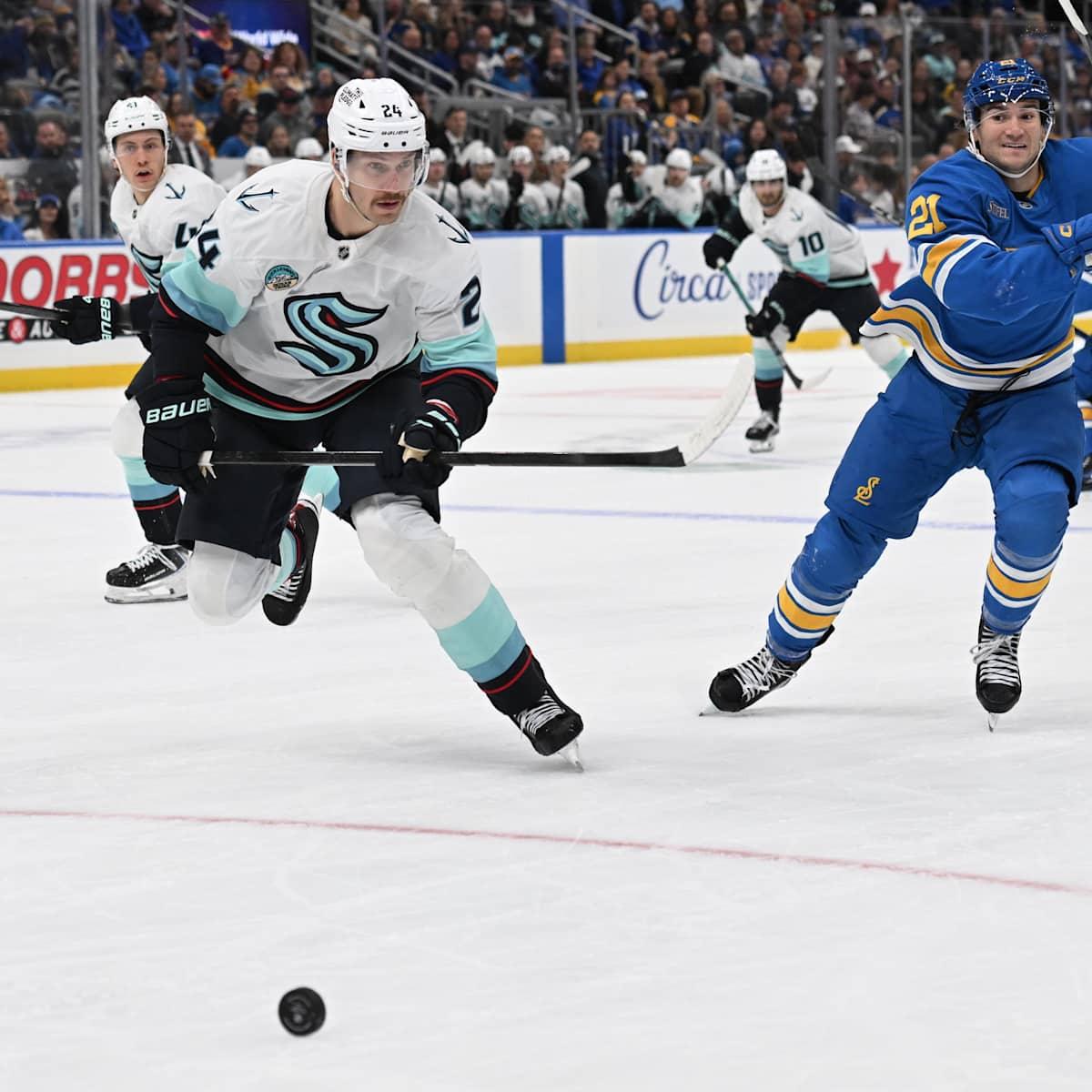
Clearing the puck looks like one of the simplest defensive actions in hockey. When pressure builds near the net, sending the puck as far down the ice as possible can appear to solve the immediate problem. The defending team gains distance from danger and gets a few seconds to reorganize. Icing changes that calculation. A…
-

Why Shot Blocking Matters in Mobile Hockey Games
Defending in a hockey game is often associated with checking, stealing the puck or relying on the goalkeeper to make a save. Yet many dangerous attacks can be stopped before the puck ever reaches the net. A defender who moves into a shooting lane at the right moment can turn a clear scoring opportunity into…
-

Why Instant Rematches Matter in Mobile Sports Games
A competitive sports match can end in seconds of excitement. A late goal changes the result, a final shot narrowly misses, or two evenly matched players remain separated by a single point. At that moment, many players do not want to return to a complicated menu. They want another match against the same opponent. This…
-

Why Power Plays Matter in Mobile Hockey Games
Most of a hockey match is played with both teams trying to create an advantage from roughly equal numbers on the ice. A penalty changes that balance immediately. One player leaves the action, the opposing team gains extra space, and ordinary attacking decisions begin to work differently. Passing lanes open, defenders have more ice to…
-

Why Pulling the Goalie Matters in Mobile Hockey Games
The final minute of a hockey game can completely change how both teams play. A team trailing by one goal may suddenly remove its goalkeeper, send another skater onto the ice and accept the risk of an empty net in exchange for greater attacking pressure. It is a simple trade: more offensive support, less protection…